1. Introduction
When it comes to supporting cardiovascular wellness, athletic stamina, and daily circulation, amino acids often take center stage. If you have ever researched supplements designed to boost endurance or heart health, you have likely encountered two major players: L-arginine and L-citrulline. Understanding l-citrulline vs l-arginine for blood flow effectiveness is essential for anyone looking to make an informed choice about their wellness routine.
Both of these amino acids are closely tied to the production of nitric oxide, a vital gas that relaxes blood vessels and encourages smooth, efficient circulation. However, how the human body processes them is remarkably different.
While L-arginine is a direct building block for nitric oxide, L-citrulline acts as a powerful precursor that converts into L-arginine within the body, often with superior absorption rates. Let’s dive deep into the science, mechanisms, and practical applications of these two compounds to see how they stack up against each other.
2. What Is L-Citrulline vs L-Arginine for Blood Flow Effectiveness?
To appreciate the debate of l-citrulline vs l-arginine for blood flow effectiveness, we need to break down what each amino acid does on a biological level. Both compounds are naturally occurring, meaning your body can manufacture them in small amounts, and you can also obtain them through your diet.
- L-Arginine: A semi-essential amino acid that plays a direct role in cell division, wound healing, and immune function. Crucially, it serves as a direct substrate for the enzyme endothelial nitric oxide synthase (eNOS) to create nitric oxide.
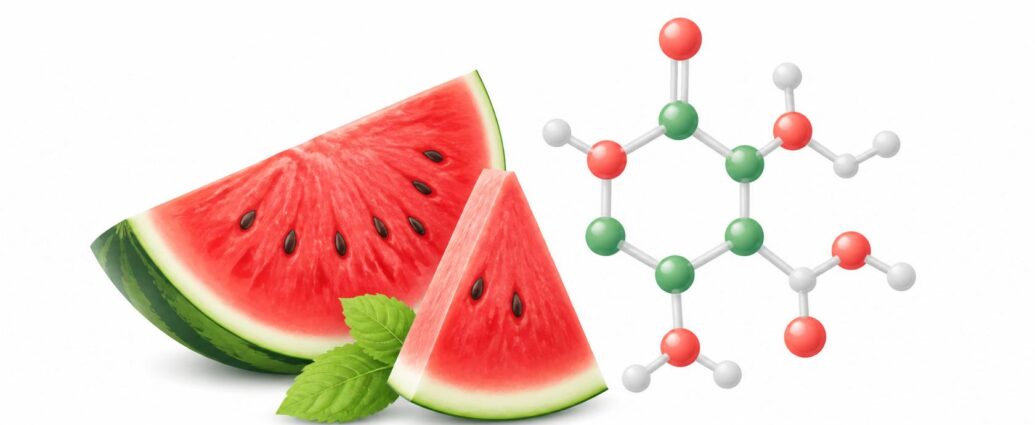
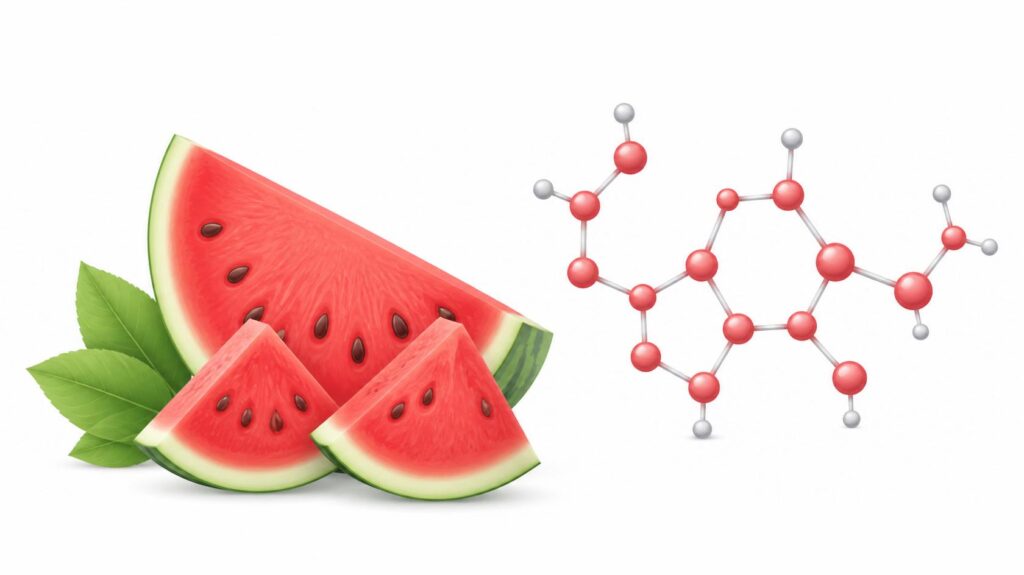
- L-Citrulline: An alpha-amino acid first discovered in watermelons. Unlike L-arginine, L-citrulline bypasses much of the breakdown that occurs in the liver during digestion, making it exceptionally efficient at raising overall plasma levels of L-arginine in the bloodstream.
When evaluating the effectiveness of blood flow, researchers assess how well a supplement can elevate nitric oxide levels over an extended period. Because L-citrulline exhibits higher bioavailability, it has become a favorite in modern nutritional science.

3. Why Proper Blood Flow Matters After 50 and Beyond
Maintaining flexible, responsive blood vessels is a cornerstone of long-term physical health. When your circulatory system functions smoothly, the impacts are felt throughout your entire body.
Enhanced Nutrient and Oxygen Delivery
Efficient circulation ensures that oxygen and essential micronutrients reach your muscles, brain, and organs rapidly. This reduces feelings of sluggishness and supports everyday physical stamina.
Vascular Elasticity and Tone
As we age, blood vessels can naturally stiffen. Compounds that encourage nitric oxide production help keep blood vessels relaxed, supporting healthy blood pressure levels already within the normal range.
Physical Endurance and Recovery
Whether you enjoy brisk morning walks, gardening, or structured workouts, optimal blood flow helps your muscles perform efficiently and recover comfortably afterward.
4. Key Concepts and Biological Pathways
Understanding how these amino acids interact with your metabolism helps clarify their distinct advantages.
- First-Pass Metabolism: When you ingest L-arginine orally, a significant portion is broken down by enzymes in your digestive tract and liver before it ever reaches your systemic circulation.
- Bioavailability: L-citrulline is largely ignored by the liver during initial digestion, allowing it to travel directly to the kidneys where it is efficiently converted into L-arginine over a sustained period.
- Endothelial Function: Both compounds aim to nourish the endothelium—the delicate inner lining of your blood vessels responsible for regulating vascular tone.
5. Step-by-Step Guide to Choosing the Right Option
Selecting between these two compounds depends heavily on your personal wellness goals and how your body responds. Follow these steps to determine your ideal approach:
Step 1: Identify Your Primary Goal
If your goal is sustained, all-day circulatory support and enhanced exercise endurance, L-citrulline is often the preferred choice due to its superior pharmacokinetic profile.
Step 2: Evaluate Digestive Tolerance
Some individuals find that high doses of L-arginine can cause mild gastrointestinal discomfort. L-citrulline is generally well-tolerated even at higher serving sizes.
Step 3: Check Ingredient Labels
Many high-end vascular health formulas utilize L-citrulline malate, a combination of L-citrulline and malic acid which also supports cellular energy production.
Step 4: Consult a Healthcare Professional
Always discuss new supplement additions with your doctor, especially if you take medications that influence blood pressure or blood coagulation.
6. Best Options, Tools, and Nutritional Sources
You can support your nitric oxide pathways through both wholesome food choices and targeted dietary supplements.
Whole Food Sources
- Watermelon: One of the richest natural dietary sources of L-citrulline, particularly concentrated in the rind and flesh.
- Nuts and Seeds: Provide supportive amino acids and healthy fats for overall cardiovascular health.
- Garlic and Onions: Contain compounds that complement nitric oxide production and protect vascular tissue.
Supplement Options (Soft Recommendations)
For those seeking concentrated daily support, targeted formulas can be a convenient addition:
- Pure L-Citrulline Powder: Offers flexible dosing and excellent absorption for steady, long-lasting elevation of nitric oxide.
- L-Citrulline Malate Blends: Popular among active adults for supporting both circulation and muscular energy output.
Disclaimer: Dietary supplements are designed to complement a balanced diet and healthy lifestyle, not replace medical treatments.
To make this even easier, you can also explore a targeted, convenient daily supplement like Circ02 to seamlessly support your vascular wellness routine.
7. Direct Comparison: L-Citrulline vs L-Arginine
To fully grasp the comparison, let’s examine how they measure up across key performance indicators:
| Feature | L-Arginine | L-Citrulline |
| Absorption Rate | Lower due to high liver breakdown | High bioavailability and efficient conversion |
| Blood Arginine Spike | Short-term and inconsistent | Sustained and steady elevation |
| Gastrointestinal Tolerance | Can cause mild upset at high doses | Generally gentle on the digestive system |
| Athletic Endurance Support | Moderate | High, due to delayed fatigue and sustained nitric oxide |
8. Common Mistakes to Avoid
When incorporating amino acid supplements into your routine, keep these pitfalls in mind:
- Expecting Immediate Miracles: Vascular adaptations and improved endurance build up gradually with consistent daily habits.
- Ignoring Hydration: Amino acids require adequate water intake to circulate efficiently through your bloodstream. Always stay well-hydrated.
- Over-Supplementing: Taking excessive amounts does not yield better results and can lead to unnecessary digestive strain. Stick to recommended serving sizes.
- Neglecting Whole Foods: Relying entirely on powders while ignoring fresh fruits, vegetables, and regular movement limits your overall health progress.

9. Expert Tips and Best Practices
Maximize your wellness routine with these expert-backed strategies:
- Time It Right: If using L-citrulline for physical activity or daily stamina, taking it about 45 to 60 minutes before activity yields optimal utilization.
- Combine with Antioxidants: Pair your amino acid routine with vitamin C-rich foods or citrus fruits to protect nitric oxide molecules from oxidative degradation.
- Maintain Consistency: Daily, steady intake is far more effective for supporting vascular elasticity than sporadic, high-dose usage.
- Listen to Your Body: Pay attention to how your energy levels and physical comfort respond over a two-to-four-week trial period.
If you are also looking for practical, everyday routines to warm up cold fingers and toes, you can check out our guide on how to improve circulation in hands and feet naturally for more targeted tips.
10. Conclusion
Navigating the world of vascular health supplements comes down to understanding how your body utilizes different compounds. When analyzing l-citrulline vs l-arginine for blood flow effectiveness, science consistently points toward L-citrulline as the more bioavailable, sustained option for raising plasma arginine levels and supporting smooth circulation.
Whether you choose to incorporate watermelon and nutrient-dense foods into your meals or explore high-quality L-citrulline supplements, supporting your cardiovascular system pays dividends in daily energy and comfort. Make informed choices, stay active, and enjoy vibrant wellness every day.
FAQ Section
Q1: Why is L-citrulline often considered better than L-arginine for blood flow?
A: L-citrulline bypasses first-pass liver metabolism much more effectively than L-arginine. This results in higher and more sustained levels of L-arginine in the bloodstream, leading to more consistent nitric oxide production.
Q2: Can I take L-citrulline and L-arginine together?
A: While possible, it is usually unnecessary since L-citrulline efficiently converts into L-arginine inside the body. Most modern protocols favor L-citrulline on its own for superior bioavailability.
Q3: Are there any side effects associated with L-citrulline?
A: L-citrulline is generally very well-tolerated. Extremely high doses can occasionally cause mild gastrointestinal discomfort, which can be avoided by starting with a standard serving size and taking it with water.
Q4: How long does it take to notice the effects of L-citrulline on circulation?
A: Single doses can temporarily boost nitric oxide levels within an hour. However, noticeable improvements in daily stamina, endurance, and overall vascular tone typically develop after 2 to 4 weeks of consistent use.