
1. Introduction
Have you ever sat at your desk or relaxed on the couch, only to notice that your fingers and toes feel completely ice-cold, even when the room is warm? Or perhaps you experience a strange tingling sensation after standing or sitting for too long. Poor peripheral circulation is a common experience that many people brush off as a minor inconvenience of everyday life.
Learning how to improve circulation in hands and feet naturally can make a remarkable difference in your daily comfort and overall physical well-being. Your circulatory system is a vast, intricate highway responsible for pumping oxygen-rich blood and vital nutrients to every corner of your body all the way down to your fingertips and toes.
When that blood flow slows down or encounters resistance, your extremities are usually the first to let you know. Fortunately, you do not need drastic measures to support healthy blood flow. By introducing supportive nutrition, targeted daily movements, and smart lifestyle adjustments, you can encourage healthy circulation naturally and effectively. Let’s explore how to revitalize your vascular health from the ground up.
2. What Is Good Circulation in Hands and Feet?
To understand how to optimize your blood flow, it helps to look at what peripheral circulation actually means in simple terms. Your heart pumps blood through arteries, carrying oxygen and nutrients through your arms, legs, hands, and feet. Once those nutrients are delivered, your veins carry the oxygen-depleted blood back to your heart and lungs.
When we talk about how to improve circulation in hands and feet naturally, we are focusing on supporting the health, flexibility, and responsiveness of your blood vessels. Good circulation means your blood vessels are elastic and relaxed, allowing blood to travel smoothly to the outermost parts of your body without restriction.
Several everyday factors can temporarily or chronically hinder this process:
- Sedentary Habits: Sitting for long hours at a desk or on the couch keeps your calf muscles inactive, which reduces the natural pumping action that pushes blood back upward.
- Cold Temperatures: Blood vessels naturally constrict in response to cold weather to preserve core body heat, which can temporarily reduce blood flow to fingers and toes.
- Nutritional Gaps: A diet lacking in essential vitamins, hydration, and antioxidants can impact the overall integrity of your vascular lining.
3. Why Healthy Circulation Is Important
Your extremities rely entirely on an uninterrupted supply of blood to function properly. When you actively support your vascular health, the benefits extend far beyond simply warming up cold fingers.
Enhanced Daily Comfort and Warmth
By encouraging optimal blood flow, you can help reduce persistent coldness and minor stiffness in your hands and feet. Warm, responsive fingers and toes make routine daily tasks from typing to gardening much more comfortable.
Better Muscle Recovery and Mobility
Your hands and feet contain numerous small muscles, tendons, and joints. Adequate blood circulation ensures that these tissues receive the oxygen and fuel they need to recover efficiently from daily wear and tear.
Sustained Energy and Vitality
When circulation runs smoothly, your entire cardiovascular system operates with less strain. This efficiency helps reduce general physical fatigue, supporting a more active, vibrant lifestyle throughout the day.
4. Key Concepts of Peripheral Vascular Health
Before building an action plan, it is helpful to understand the core physiological mechanisms that govern how blood travels through your limbs.
- Vasodilation and Vasoconstriction: Blood vessels widen (vasodilation) to let more blood through and narrow (vasoconstriction) to restrict it. Supporting natural vasodilation is key to warming up cold extremities.
- The Muscle Pump: Your skeletal muscles, especially in your calves, hands, and forearms, act as secondary pumps. When they contract and relax, they physically squeeze nearby veins to help push blood back toward the core.
- Endothelial Integrity: The inner lining of your blood vessels regulates tone and blood flow. Protecting this lining through wholesome nutrition is fundamental for long-term vascular health.
5. Step-by-Step Guide to Enhancing Blood Flow
Implementing positive changes does not require an overhaul of your entire lifestyle. You can encourage healthy circulation step by step with these practical routines.
Step 1: Incorporate Regular Movement Breaks
If your daily routine involves sitting for hours, set a timer to stand up, stretch, and walk around for five minutes every hour. Simple ankle rotations and hand flexes can stimulate local blood flow immediately.
Step 2: Optimize Your Hydration
Dehydration reduces your overall blood volume, making it thicker and harder for your cardiovascular system to circulate it efficiently to your hands and feet. Keep a glass of water nearby throughout the day.
Step 3: Upgrade Your Daily Nutrition
Introduce foods rich in compounds that support nitric oxide production and blood vessel relaxation, such as leafy greens, citrus fruits, and warming spices.
Step 4: Practice Contrast Hydrotherapy
Alternating between warm and cool water during your daily shower can gently encourage your blood vessels to expand and contract, exercising their natural elasticity.
6. Best Foods, Options, and Supporting Tools
Dietary choices play a massive role in maintaining flexible blood vessels. Here are the best natural options to include in your routine.
Beneficial Foods and Nutrients
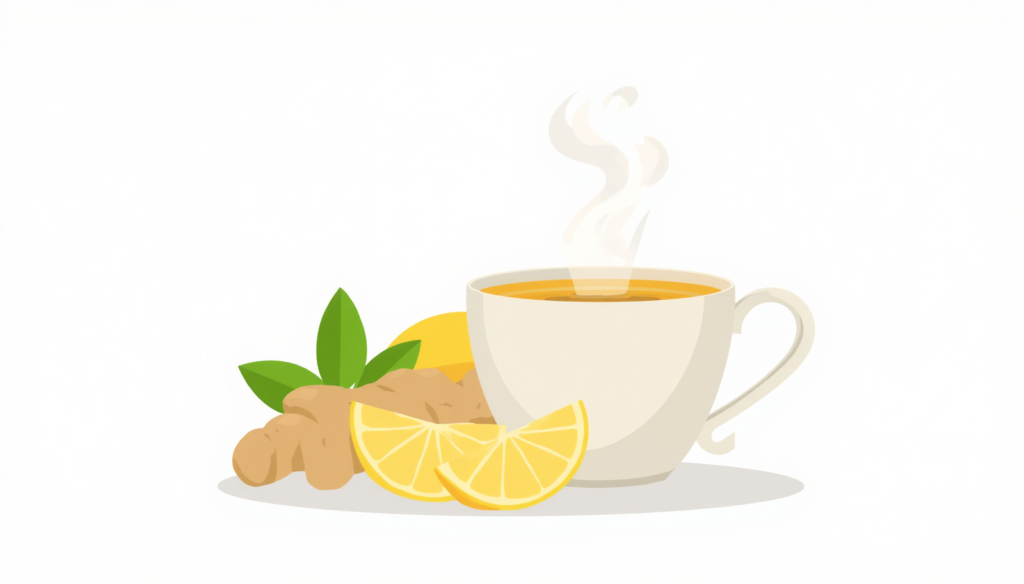
- Ginger and Cayenne Pepper: These warming ingredients have been traditionally used to stimulate mild vasodilation and support a warm, cozy sensation in the extremities.
- Citrus Fruits: Packed with vitamin C and flavonoids, oranges and lemons help protect blood vessel walls from oxidative stress.
- Beets and Leafy Greens: Rich in natural nitrates that help the body produce nitric oxide, promoting relaxed, open blood vessels.
- Nuts and Seeds: Excellent sources of vitamin E and healthy fats that support overall cardiovascular wellness.
Helpful Daily Tools and Options (Soft Recommendations)
For individuals looking for convenient ways to support their daily wellness routine, certain tools can be wonderfully helpful:
- Compression Socks: Gentle, graduated compression wear can support upward blood flow in the lower legs during long periods of sitting or standing.
- Circulation Foot Massagers or Rollers: Using a simple wooden roller under your desk can physically stimulate local blood flow in the soles of your feet.
Disclaimer: If you experience persistent, severe numbness, pain, or sudden coldness in only one limb, consult a healthcare professional to rule out underlying medical conditions.
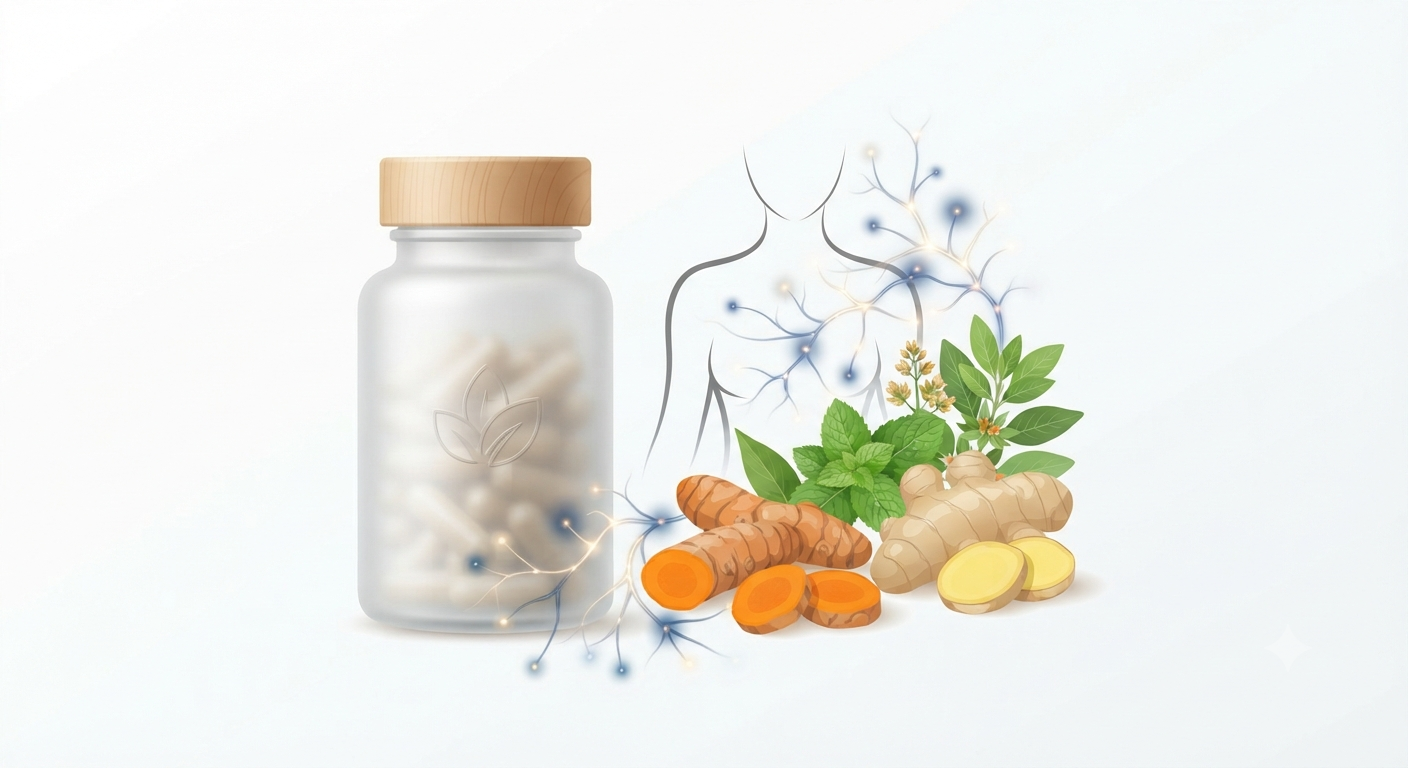
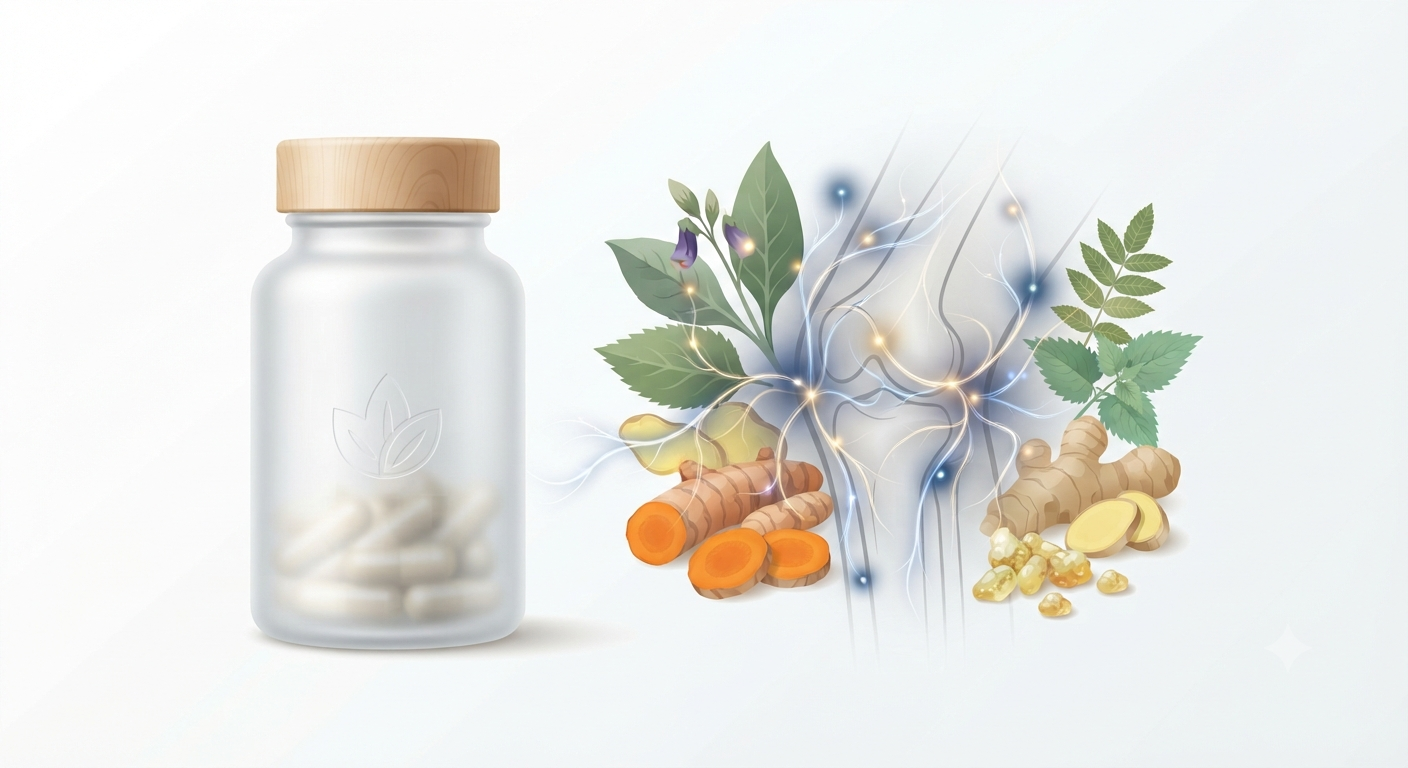
For those looking for a convenient daily option to support their routine, many find that a high-quality supplement like Circ02 provides a reliable boost of concentrated nutrients.
7. Common Mistakes to Avoid
When trying to improve your vascular health, it is easy to adopt habits that work against your goals. Watch out for these common missteps:
- Crossing Your Legs for Too Long: Sitting with your legs tightly crossed for extended periods puts direct pressure on major blood vessels, restricting smooth flow down to your feet.
- Smoking or Nicotine Exposure: Nicotine is a potent vasoconstrictor that immediately narrows blood vessels, significantly reducing circulation to your fingers and toes.
- Wearing Constrictive Clothing: Excessively tight socks, gloves, or shoes can mechanically choke off tiny capillaries, worsening coldness and numbness.
- Ignoring Regular Hydration: Relying solely on hot beverages while forgetting plain water can leave your system mildly dehydrated.

8. Expert Tips and Best Practices
To maintain long-term comfort and maximize your daily routines, keep these expert-backed strategies in mind:
- Stay Active Outdoors: Even a brisk 20-minute daily walk activates the natural muscle pumps in your lower body, keeping circulation robust.
- Layer Wisely in Colder Weather: Protect your fingers and toes from harsh winds by wearing breathable, layered gloves and woolen socks before you feel chilled.
- Stretch Daily: Simple yoga stretches or light morning mobility routines help release muscle tension that might be pinching local blood vessels.
- Keep a Consistent Schedule: Small, daily habits yield far better results for vascular health than occasional, intense efforts.
9. Conclusion
Taking care of your peripheral circulation is a wonderful way to invest in your day-to-day comfort and physical freedom. By understanding how your body moves blood and incorporating practical habits into your routine, you can easily discover how to improve circulation in hands and feet naturally.
Whether it is adding a pinch of warming ginger to your tea, taking regular stretch breaks during work, or staying well-hydrated, every positive step counts. Nourish your body, keep moving, and enjoy cozy, comfortable vitality all year round.
If you are also looking for ways to warm up cold fingers and toes, you can check out our guide on how to improve circulation in hands and feet naturally for more targeted daily tips.
FAQ Section
Q1: Why do my hands and feet feel cold even when I am indoors?
A: Cold hands and feet are often caused by the body naturally redirecting blood flow toward vital core organs to maintain internal temperature. Reduced physical movement, mild dehydration, or normal age-related changes in vascular tone can also contribute to this feeling.
Q2: Can certain foods really help improve circulation?
A: Yes, foods rich in antioxidants, flavonoids, and natural nitrates such as beets, citrus fruits, garlic, and ginger support the production of nitric oxide and help keep blood vessels relaxed and flexible.
Q3: Does exercise make a big difference for peripheral circulation?
A: Absolutely. Physical movement contracts your skeletal muscles, which physically act as a pump to push blood through your veins. Regular aerobic exercise also improves the overall elasticity of your blood vessels over time.
Q4: When should I be concerned about poor circulation in my limbs?
A: While occasional cold fingers are normal, you should consult a doctor if you experience sudden, severe pain, skin discoloration (such as turning pale or blue), open sores that won’t heal, or numbness isolated to only one side of your body.