1. Introduction
In the ever-changing digital landscape, algorithms dictate the reach of your social media posts, but your email list belongs entirely to you. Learning how to build an email list from scratch is the single most effective strategy for any digital marketer or business owner looking to create a long-term asset. Whether you are an affiliate marketer or a niche blogger, direct communication with your audience is the key to sustainable success. In this guide, we will break down the exact steps to turn anonymous website visitors into loyal subscribers who look forward to hearing from you.
2. What is How to Build an Email List from Scratch?
Learning how to build an email list from scratch is the systematic process of attracting potential subscribers and convincing them to provide their contact information in exchange for value. It is the foundation of digital relationship marketing. Rather than shouting into the void of social media, you are creating a private, reliable channel where you can offer solutions, share expertise, and build genuine trust with your audience over time.

3. Why It Is Important
The importance of owning your audience cannot be overstated. When you rely solely on platforms like Instagram, LinkedIn, or Google, your business stability is at the mercy of their updates. Here is why prioritizing list growth is a game-changer:
- Ownership: Your list is an asset you own. It cannot be taken away by algorithm changes.
- Higher ROI: Email marketing consistently delivers a higher return on investment compared to other digital channels because it targets people who have already signaled interest in your brand.
- Direct Engagement: You get a direct line to your audience’s inbox, allowing for personalized, relevant messaging that drives action.
4. Key Features and Concepts
To succeed, you need to understand three core pillars:
- The Lead Magnet: This is the “bribe” or incentive you offer an eBook, checklist, or video that solves a small problem for the user in exchange for their email.
- The Opt-in Form: The digital gateway where users enter their details. It must be clear, concise, and visible.
- List Hygiene: The ongoing practice of removing inactive subscribers. A smaller, engaged list is always better than a massive, dormant one.
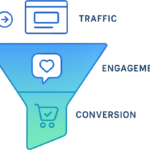
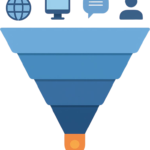
To truly scale, you must understand how your lead magnet fits into a larger marketing funnel optimization strategy, ensuring that every subscriber you capture is guided toward a specific goal.
5. Step-by-Step Guide
Follow these steps to establish your system:
- Choose Your Provider: Select a reliable email service provider (ESP) that offers automation and simple form builders.
- Create Your Magnet: Solve one specific problem your audience faces. Keep it simple and immediately useful.
- Setup the Landing Page: Build a distraction-free page dedicated solely to your offer.
- Promote Strategically: Drive traffic from your blog, social profiles, or guest posts.
- Automate Your Welcome: Ensure every new subscriber receives their gift and an introduction to your brand immediately.
6. Best Tools and Options
Finding the right tech stack is essential for long-term efficiency.
- Email Platforms: Tools like MailerLite or ConvertKit are excellent for beginners because they balance ease of use with powerful automation.
- Workflow Automation: For those looking to manage lead capture and follow-up without the technical stress, solutions like Lead Hero are highly effective. These tools allow you to focus on content rather than managing complex back-end systems.
- Capture Plugins: Tools like OptinMonster or HelloBar integrate seamlessly with most websites to display unobtrusive, high-converting sign-up forms.
7. Comparison Section: Quality vs. Quantity
Many beginners obsess over hitting a specific subscriber count. However, the quality of your list measured by open rates and click-through rates is infinitely more important. A list of 500 people who actually read your emails will always outperform a list of 5,000 who treat your messages as spam. Focus on attracting the right people, not just any people.

8. Common Mistakes to Avoid
- Buying Lists: Never buy email addresses. This destroys your sender reputation and can get your domain blacklisted.
- Asking for Too Much: Keep your sign-up form to just a name and email. More fields equal fewer sign-ups.
- Inconsistency: If you wait months to email your new subscribers, they will forget who you are, leading to high unsubscribe rates.
9. Tips and Best Practices
- Personalize: Use their first name. It creates an immediate sense of connection.
- Test Headlines: Your subject line is the most important part of your email. Test different variations to see what gets the best open rates.
- Deliver Value First: For every “sales” email, send three to five emails filled with free, high-value educational content.
10. Conclusion
Knowing how to build an email list from scratch is a fundamental skill that transforms the way you approach business. It requires patience, a focus on providing value, and the right tools such as those integrated through Lead Hero to handle the heavy lifting. Start small, be consistent, and prioritize the quality of your relationships over the sheer volume of your subscriber numbers.
FAQ Section
- Q: How often should I send emails?
- A: Start with once a week. Consistency is more important than frequency when you are just getting started.
- Q: Do I need to be a tech expert to start?
- A: Not at all. Modern tools are designed for non-technical users, making it easier than ever to get set up in an afternoon.
- Q: What is a good open rate?
- A: Anything above 20% is generally considered strong, but focus primarily on improving your own metrics over time.