1. Introduction
In the competitive landscape of digital business, efficiency is the ultimate currency. If you are manually nurturing every lead or sending individual follow-up emails, you are not just wasting time you are stifling your growth. Understanding how to automate your marketing funnel is the transition point from being a small operator to building a scalable, high-performing online enterprise. By creating systems that work for you while you sleep, you can focus on high-level strategy rather than daily operational tasks. In this guide, we will explore how to build a self-sustaining ecosystem that consistently turns interest into action.
Table of Contents
2. What is How to Automate Your Marketing Funnel?
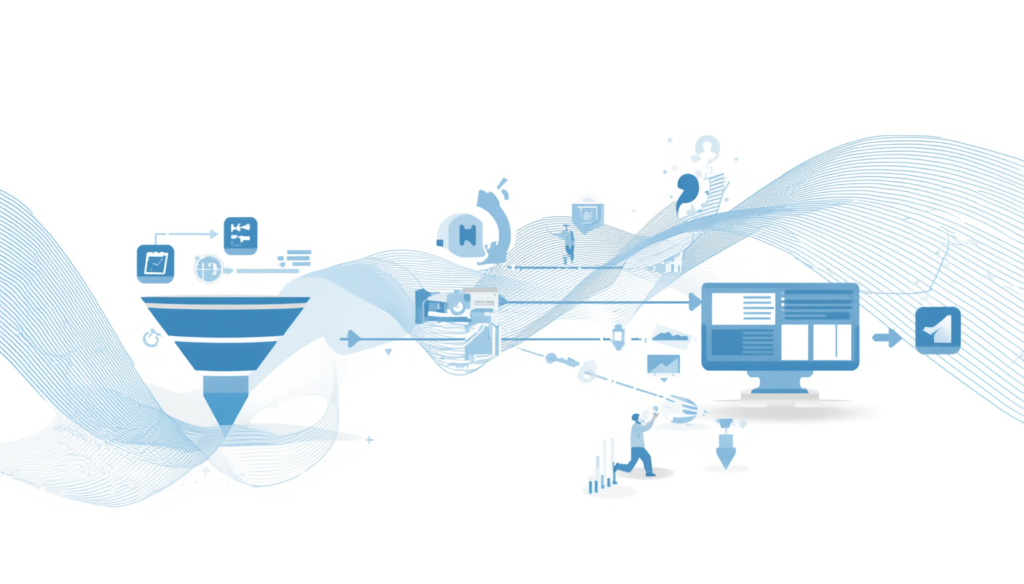
Learning how to automate your marketing funnel involves connecting your digital assets websites, landing pages, email software, and CRM systems into a unified workflow. Instead of performing repetitive tasks, you set up “triggers” that initiate specific actions based on user behavior.
For example, when a user downloads your lead magnet, an automated system instantly delivers the file, adds them to your email list, and starts a pre-planned sequence of educational emails. This removes the manual “middle-man” from your growth process, ensuring every prospect receives immediate attention and consistent messaging.

3. Why It Is Important
The move toward automation is essential for several strategic reasons:
- Operational Efficiency: Automation eliminates repetitive data entry and follow-up tasks, freeing up your time for content and product development.
- Enhanced Lead Nurturing: Automated funnels provide instant gratification to new leads, preventing them from losing interest while you are away from your desk.
- Data Consistency: By using automated workflows, you ensure that every prospect is treated to a standardized, high-quality brand experience.
- Increased Conversion Rates: Behavioral triggers allow you to send timely, relevant messages that align with where a user is in their buying journey.
4. Key Features and Concepts
To build an effective system, you need to understand the core mechanics:
- Lead Magnets: The irresistible entry point that draws prospects into your funnel.
- Trigger Logic: The “if/then” rules (e.g., if a user clicks this link, add them to a sales sequence).
- Segmentation: Grouping users by their actions so you can send them hyper-relevant content.
- Integration: The technical bridge between your capture page and your email service provider.
To execute these triggers effectively, you must choose the right software; for a detailed breakdown, explore our guide on the best tools to automate email marketing campaigns.
5. Step-by-Step Guide
- Map the Journey: Start with a pen and paper. Define every step a user takes from “Stranger” to “Customer.”
- Define Your Triggers: Identify the specific user actions that should cause a change in email sequence.
- Create Your Content: Write your welcome series and follow-up emails in advance.
- Connect Your Stack: Use tools that communicate well with one another to ensure a smooth flow of data.
- Automate Delivery: Set up your automation rules.
- Analyze and Optimize: Review your metrics after 30 days to identify bottlenecks where users drop off.
6. Best Tools and Options
Selecting the right tools is critical to the stability of your business.
- Email Automation: Platforms that prioritize high deliverability are your most important investment.
- Lead Management: For those looking to manage their lead flow without complex enterprise setups, Lead Hero offers a robust and user-friendly interface. It excels at bridging the gap between lead capture and automated follow-up, allowing you to focus on strategy rather than technical hurdles.
- Capture Tools: Use clean, minimalist forms that integrate seamlessly with your automation software.
Note: Always choose tools that offer strong support and clear documentation to avoid getting stuck in technical “spaghetti code.”
7. Comparison: Manual vs. Automated Funnels
| Feature | Manual Funnel | Automated Funnel |
| Effort | High (Every lead is manual) | Low (Setup once, run forever) |
| Speed | Slow (Delay in response) | Instant (Immediate response) |
| Consistency | Variable (Human error possible) | Perfect (Rules are strictly followed) |
| Scalability | Near Zero | High (Handles thousands easily) |
8. Common Mistakes to Avoid
- Over-Automating: Do not automate your core value your unique voice and human touch are still required in your high-value content.
- Neglecting List Hygiene: An automated funnel will keep adding people to your list; ensure you are also removing inactive subscribers to maintain good domain reputation.
- Ignoring Analytics: Assuming your funnel is “perfect” without checking conversion data is a common pitfall. Always monitor where people drop off.

9. Tips and Best Practices
- Start Small: Do not build a massive 50-email funnel on your first attempt. Start with a 3-part welcome series and expand.
- Keep Emails Conversational: Just because the delivery is automated does not mean the tone should be robotic. Write as if you are speaking to one person.
- Prioritize Deliverability: Use professional email addresses and follow anti-spam best practices from day one.
10. Conclusion
Learning how to automate your marketing funnel is the definitive step toward building a sustainable, scalable business that delivers value 24/7. While the initial setup requires focus and clear mapping, the long-term benefits of efficiency and consistent growth are unmatched. Utilize reliable tools such as those found within the Lead Hero ecosystem to handle your lead management, keep your messaging personal, and always keep your user’s experience at the center of your strategy.
FAQ Section
Q: Is automation expensive to set up?
A: It can be very affordable. Many tools offer tiered pricing that allows you to start for free or at a low cost as you grow your list.
Q: Will automation make my brand sound like a robot?
A: Only if you write robotic content. If you focus on empathy, storytelling, and actual value, your automated sequences can feel just as personal as manual emails.
Q: How do I know if my automation is working?
A: Look for consistent engagement. Your open rates and click-through rates are the best indicators of whether your automated sequences are resonating with your audience.