
1. Introduction
For many creators and entrepreneurs, the goal of reaching 1,000 email subscribers feels like a massive hurdle. You might assume that you need a huge advertising budget or a complex funnel to start growing, but that is simply not true. Understanding how to build your first 1,000 subscribers without spending a dime is one of the most empowering skills you can develop. It forces you to focus on the core of marketing: value, community, and consistency. In this guide, we will break down the organic, ethical, and highly effective ways to attract your first thousand loyal readers entirely for free.
Table of Contents
2. What is How to Build Your First 1,000 Subscribers Without Spending a Dime?
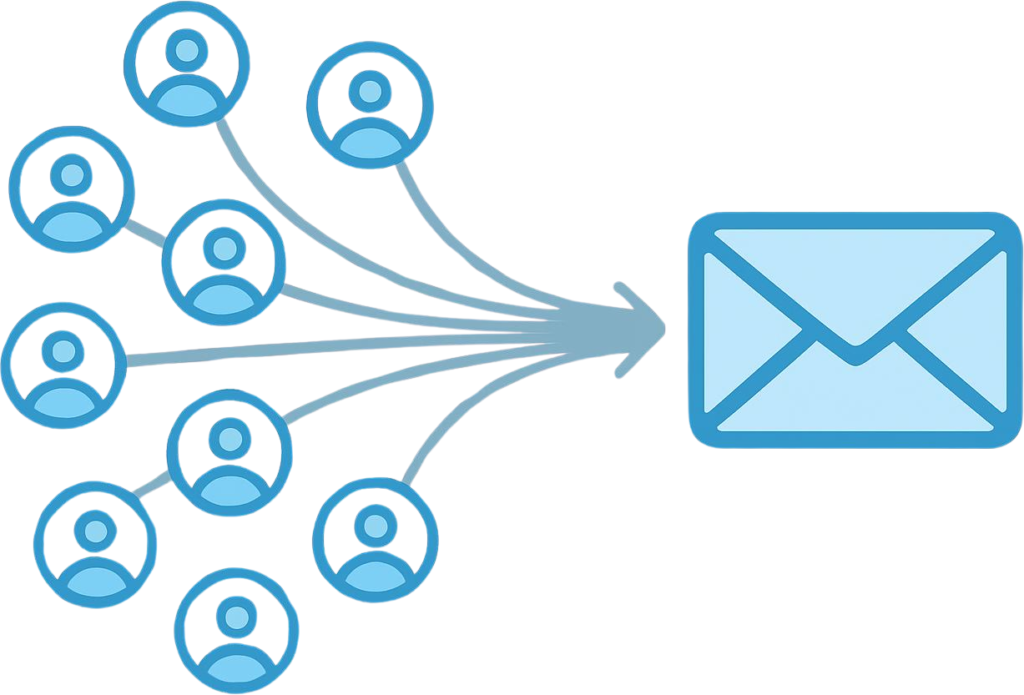
Building your first 1,000 subscribers for free is the process of using “organic” methods to attract, engage, and retain an audience. It means relying on your expertise, your content, and your willingness to help others rather than paying platforms like Meta or Google for visibility. It involves creating high-value assets like lead magnets and placing them where your target audience already hangs out, turning casual browsers into dedicated email subscribers.
3. Why It Is Important
Why should you prioritize organic growth?
- Higher Quality Leads: Subscribers who find you through your content are usually more invested in what you have to say than those who clicked a random ad.
- Zero Financial Risk: You aren’t gambling your budget on ad tests that might fail.
- Skill Development: Growing an audience for free forces you to learn copywriting, SEO, and community management the three pillars of sustainable marketing.
- Long-Term Authority: The trust you build through free content is far more durable than the attention you can buy with a credit card.

Building a list is just the first step. Once you have an engaged audience, you can learn how to start affiliate marketing in 2026 to turn that trust into a sustainable income stream.
4. Key Features and Concepts
To succeed, you must grasp these core ideas:
- The Lead Magnet: An incentive that offers immediate value in exchange for an email address.
- Content Marketing: Publishing consistent, helpful information that solves your audience’s problems.
- Distribution Channels: Identifying where your audience spends their time (blogs, forums, social media, etc.).
- Nurture Sequences: Ensuring that once someone joins your list, they are welcomed properly with useful information.
5. Step-by-Step Guide
- Define Your Value Proposition: What specific problem are you solving for your audience? Be precise.
- Create a High-Impact Lead Magnet: Build a simple PDF guide, checklist, or resource list that delivers a “quick win.”
- Optimize Your “Opt-in” Points: Place signup forms on your website, your blog, and even in your email signature.
- Leverage Community Platforms: Participate in places like Reddit, Quora, or niche forums. Provide helpful answers and link to your lead magnet only when it’s genuinely useful.
- Guest Content: Offer to write articles for other blogs or appear on podcasts in your niche. This puts your message in front of an existing, engaged audience.
6. Best Tools and Options
You don’t need a massive tech stack to start. Focus on tools that offer free tiers and high-quality features:
- Email Service Providers: Look for platforms like MailerLite or ConvertKit which offer generous free plans for beginners.
- Lead Capture: Use simple, clean forms that integrate directly with your website.
- Organization: As you start to get traction, keep your subscriber interactions organized. Professional tools like Lead Hero allow you to streamline how you manage and nurture these new leads, ensuring that your communication remains consistent and high-quality without being overwhelming.
- Design: Use tools like Canva to make your lead magnets look professional and clean.
Note: Always be sure to follow GDPR and CAN-SPAM regulations. Your list’s integrity is your brand’s reputation.
7. Comparison: Paid Growth vs. Organic Growth
| Feature | Paid Advertising | Organic Growth |
| Cost | High (ongoing) | $0 (Time-intensive) |
| Speed | Instant | Gradual |
| Subscriber Quality | Variable | High |
| Long-term Value | Stops when you stop paying | Builds lasting authority |
8. Common Mistakes to Avoid
- “Pitching” Too Soon: Don’t ask for a sale the moment someone joins your list. Build trust first.
- Generic Content: If your content says what everyone else is saying, nobody will sign up. Be unique.
- Ignoring Technical Issues: If your signup form is broken or your welcome email doesn’t arrive, you are losing subscribers every day.
- Buying Lists: Never buy an email list. It destroys your sender reputation and is a violation of professional marketing ethics.

9. Tips and Best Practices
- The “Double-Down” Method: Identify which of your blog posts or social media updates gets the most traffic and add an opt-in form to it.
- Consistency is King: You don’t need to post every day, but you do need to show up on the schedule you set.
- Ask for Feedback: Occasionally email your list and ask, “What is the biggest challenge you are facing right now?” This creates incredible content ideas.
10. Conclusion
Learning how to build your first 1,000 subscribers without spending a dime is not just about the numbers; it is about building a community of people who value your perspective. By focusing on creating genuinely helpful content, using ethical growth strategies, and maintaining professional systems, you can build a list that will support your business for years to come. Start small, be helpful, and stay consistent. Your audience is waiting for you.
FAQ Section
Q: How long does it take to reach 1,000 subscribers for free?
A: It varies by niche and effort, but with consistent content and promotion, many reach this goal within 6 to 12 months.
Q: Should I offer a free product or just a newsletter?
A: A specific “quick win” (like a guide or checklist) almost always converts better than just promising a newsletter.
Q: Do I need a website to build an email list?
A: While a website is highly recommended for long-term SEO, you can start by using landing page tools provided by many email service providers.