1. Introduction
In the fast-paced world of digital marketing, attracting traffic is only half the battle. If your visitors land on your page and leave without taking action, you are effectively leaving money on the table. This is where marketing funnel optimization becomes the heartbeat of a successful online business. Whether you are running a niche blog or managing a complex affiliate marketing ecosystem, understanding how to guide a user from initial discovery to final purchase is the difference between stagnation and scalable growth.
Marketing funnel optimization is not just about changing button colors or tweaking headlines; it is about deeply understanding user psychology and removing the friction that prevents people from converting. By refining each stage of the journey, you create a seamless experience that encourages your audience to engage, trust, and ultimately, buy.
2. What is Marketing Funnel Optimization?
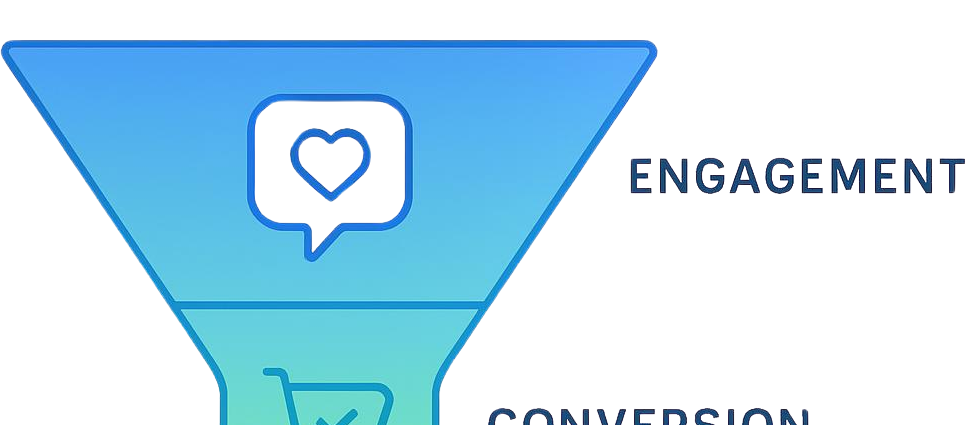
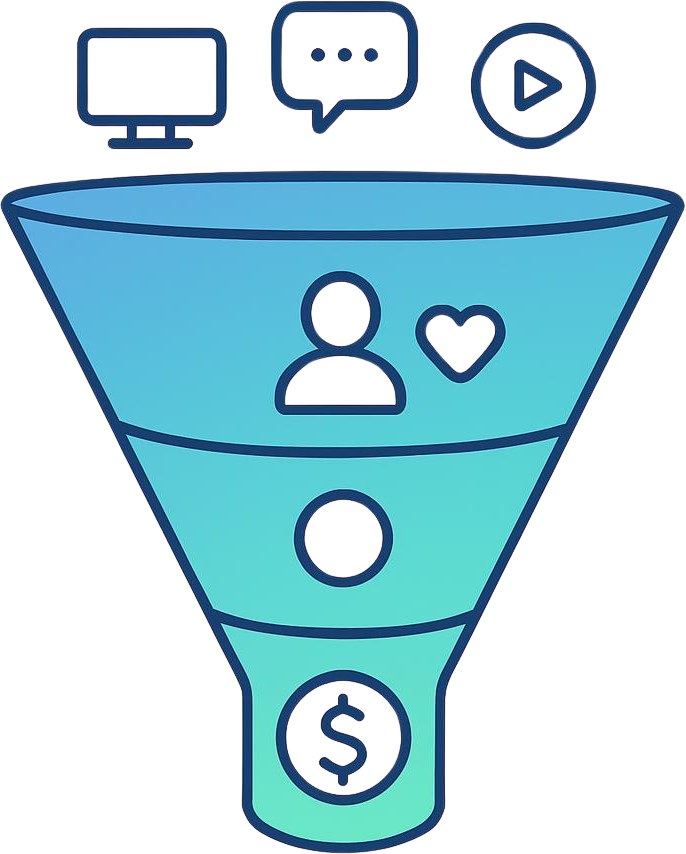
At its core, a marketing funnel is the visual representation of the path a prospect takes from becoming aware of your brand to becoming a customer. The “optimization” part refers to the systematic process of analyzing each of these stages and making data-driven improvements to increase the percentage of users who move to the next step.
Think of it as a water filter. If you have a wide opening at the top but a clogged mesh in the middle, very little clean water comes out at the bottom. Funnel optimization ensures that your “mesh” is clear, allowing a steady flow of qualified leads to travel through to your email list and sales offers.

3. Why It Is Important
Why should you dedicate your time to optimizing your funnel? The primary benefit is efficiency.
- Cost Reduction: When your funnel converts better, you don’t need to spend as much on paid traffic to achieve the same revenue.
- List Growth: For those focused on email marketing, an optimized funnel ensures that your opt-in rates stay high, feeding your list with relevant subscribers.
- User Experience: Optimization often involves simplifying processes, which makes your brand appear more professional and trustworthy.
- Revenue Scaling: Small percentage gains at each stage of the funnel compound, leading to significant increases in your bottom line over time.
4. Key Features and Concepts
To understand your funnel, you must break it down into its core components:
- Top of Funnel (ToFu – Awareness): This is where users discover your content. Your goal here is educational and broad.
- Middle of Funnel (MoFu – Consideration): Users are now interested. They are looking for solutions and trust signals.
- Bottom of Funnel (BoFu – Conversion): This is where the purchase or final sign-up happens. Precision and clarity are vital.
- Friction Points: Any element that confuses a user or adds unnecessary steps is a friction point that needs to be addressed.
5. Step-by-Step Guide
Follow these steps to begin your journey in marketing funnel optimization:
Step 1: Audit Your Current Path
Use tools like Google Analytics to see where your traffic drops off. Are users leaving at the sign-up page? Is the blog post not leading to a call to action (CTA)? Identify the “leaks.”
Step 2: Simplify Your Opt-in Process
If you are building an email list, ensure your forms are easy to fill out. Ask for the minimum information necessary. A single name and email field often outperform a long-form questionnaire.
Step 3: Align Your Message
Ensure that the message in your advertisement or social media post matches the content on your landing page. If you promise a “Gardening Guide,” don’t send them to a generic homepage.
Step 4: Automate the Delivery
For those looking to streamline lead generation, a system like Lead Hero is essential. It helps you manage the automated flow of your lead magnets and email sequences, ensuring that every new subscriber gets exactly what they signed up for without manual intervention.
6. Best Tools
When building your stack, focus on tools that provide stability and integration:
- Analytics: Google Analytics 4 is the standard for tracking movement.
- Email Infrastructure: Platforms that prioritize deliverability are key to ensuring your messages reach the inbox.
- Lead Management: Lead Hero offers a robust way to handle your lead capture and follow-up workflows, allowing you to focus on content creation rather than technical troubleshooting.
- Heatmapping: Tools like Hotjar can show you exactly where users stop reading or which buttons they ignore.

7. Common Mistakes to Avoid
- Over-complicating the CTA: If you have five different buttons on one page, the user will likely click none of them. Stick to one clear, actionable goal per page.
- Ignoring Mobile Users: A huge percentage of your traffic is on mobile. If your form is broken on a phone, your optimization efforts are moot.
- Lack of Testing: Don’t guess test. Use A/B testing to compare headlines, colors, and offer structures.
8. Tips and Best Practices
- Focus on the “One Goal” Rule: Ensure every page has one primary purpose.
- Build Trust Early: Use testimonials, case studies, or transparent “About” pages to establish authority early in the funnel.
- Monitor List Hygiene: If you are doing email marketing, ensure you are regularly cleaning your list of inactive users to keep deliverability rates high.
9. Conclusion
Mastering marketing funnel optimization is an ongoing process of refinement, not a one-time setup. By consistently looking for friction, testing your assumptions, and using the right tools to automate your workflows such as Lead Hero you can create an environment where your audience feels guided and valued. Start by auditing your current process, identify one area to improve, and watch how even small, incremental changes lead to better long-term engagement and sustainable growth.
FAQ Section
Q: How long does it take to see results from funnel optimization?
A: Depending on your traffic volume, you can often see small improvements within weeks of A/B testing. However, true optimization is a long-term strategy that matures as you gather more data.
Q: Should I use a template for my funnel?
A: Templates are great starting points, but you should always customize them to match your specific audience’s needs and your brand voice.
Q: How do I know if my funnel is “leaking” too many leads?
A: Compare your traffic to your conversion rate. If you have high traffic but very low sign-ups, your landing page or lead magnet offer likely needs optimization.
Q: Is email marketing still effective?
A: Yes. Email remains one of the highest ROI channels because it allows you to own the relationship with your subscriber, unlike social media algorithms which can change overnight.