1. Introduction
As we navigate busy daily routines, whether spending hours sitting at a desk or standing on our feet, our lower limbs work overtime to keep us moving. Yet, many individuals frequently experience heavy legs, cold feet, or mild numbness at the end of a long day. When leg comfort starts to fade, exploring holistic wellness strategies becomes essential. Implementing natural remedies for poor blood circulation in legs can provide gentle, time-tested support to help you reclaim everyday mobility and comfort.
Healthy blood circulation ensures that oxygen-rich blood flows smoothly from your heart down to your toes and back up again against gravity.
When circulation slows down, you might notice persistent fatigue or swelling in your lower extremities. Let’s explore how incorporating natural habits, targeted botanicals, and lifestyle shifts can nurture your vascular wellness naturally.
2. What Is Poor Blood Circulation in Legs and How Do Natural Remedies Help?
To understand how holistic options work, let’s break down the underlying mechanics into simple, beginner-friendly terms. Circulation involves a complex network of arteries, veins, and tiny capillaries. Arteries pump fresh, oxygenated blood outward, while veins rely on tiny one-way valves and surrounding muscle contractions to push blood back up toward the heart.
When these valves weaken, or when blood vessels lose elasticity due to inactivity, age, or lifestyle factors, blood can pool in the lower legs.
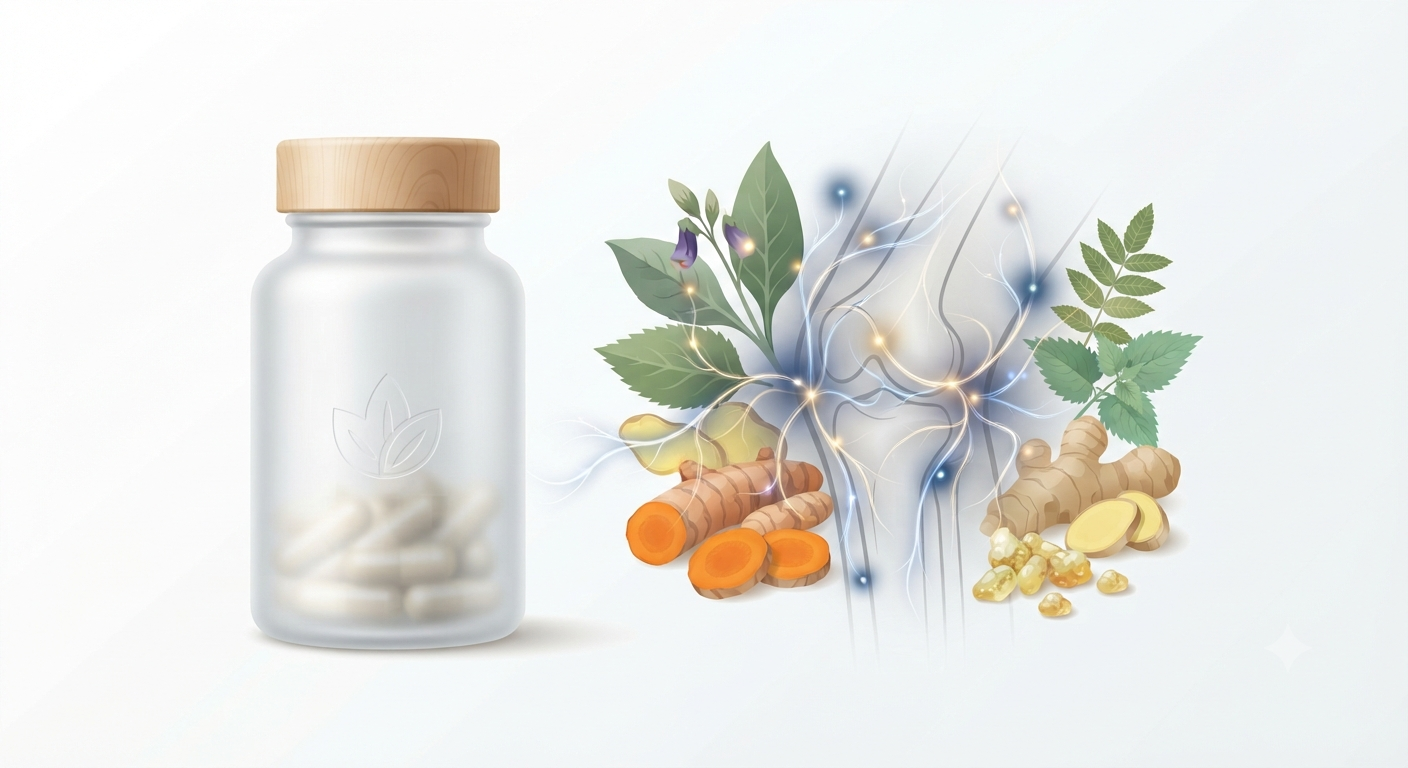
This pooling leads to discomfort, coldness, or swelling. Utilizing natural remedies for poor blood circulation in legs involves leveraging botanical extracts, hydrotherapy, and physical movement to encourage vein tone, protect blood vessel walls, and support efficient blood flow without harsh pharmaceuticals.
3. Why Supporting Lower Limb Circulation Matters
Prioritizing your leg circulation yields profound benefits for your everyday comfort, mobility, and overall physical independence.
Enhanced Daily Mobility
When blood flows smoothly to your calf muscles and feet, routine walking and daily errands feel comfortable, light, and effortless.
Reduction of Heavy Leg Sensations
Nurturing vascular health helps minimize the end-of-day swelling and fatigue that can slow down your active schedule.
Protection of Vascular Elasticity
Supporting your blood vessel walls helps them maintain normal flexibility and tone, ensuring efficient cardiovascular performance over time.
4. Key Features and Biological Concepts
Before introducing new habits or supplements to your routine, understanding a few fundamental biological concepts will clarify how circulation works.
- Venous Return: The physiological process of blood returning from the lower extremities back up to the heart against the pull of gravity.
- Endothelial Function: The health and responsiveness of the delicate inner lining of your blood vessels, which regulates vascular tone.
- Vasodilation: The natural widening of blood vessels that allows blood to flow more freely through tight or constricted pathways.
5. Step-by-Step Guide to Improving Leg Circulation Naturally
Incorporating natural strategies into your daily life is straightforward when you follow a structured, mindful approach.
Step 1: Incorporate Regular Movement
Take short walking breaks every hour if you have a desk job, allowing your calf muscles to activate and act as natural pumps for your veins.
Step 2: Elevate Your Legs Daily
Spend fifteen minutes each evening resting with your legs elevated above the level of your heart to give gravity a helpful assist.
Step 3: Explore Supportive Botanicals
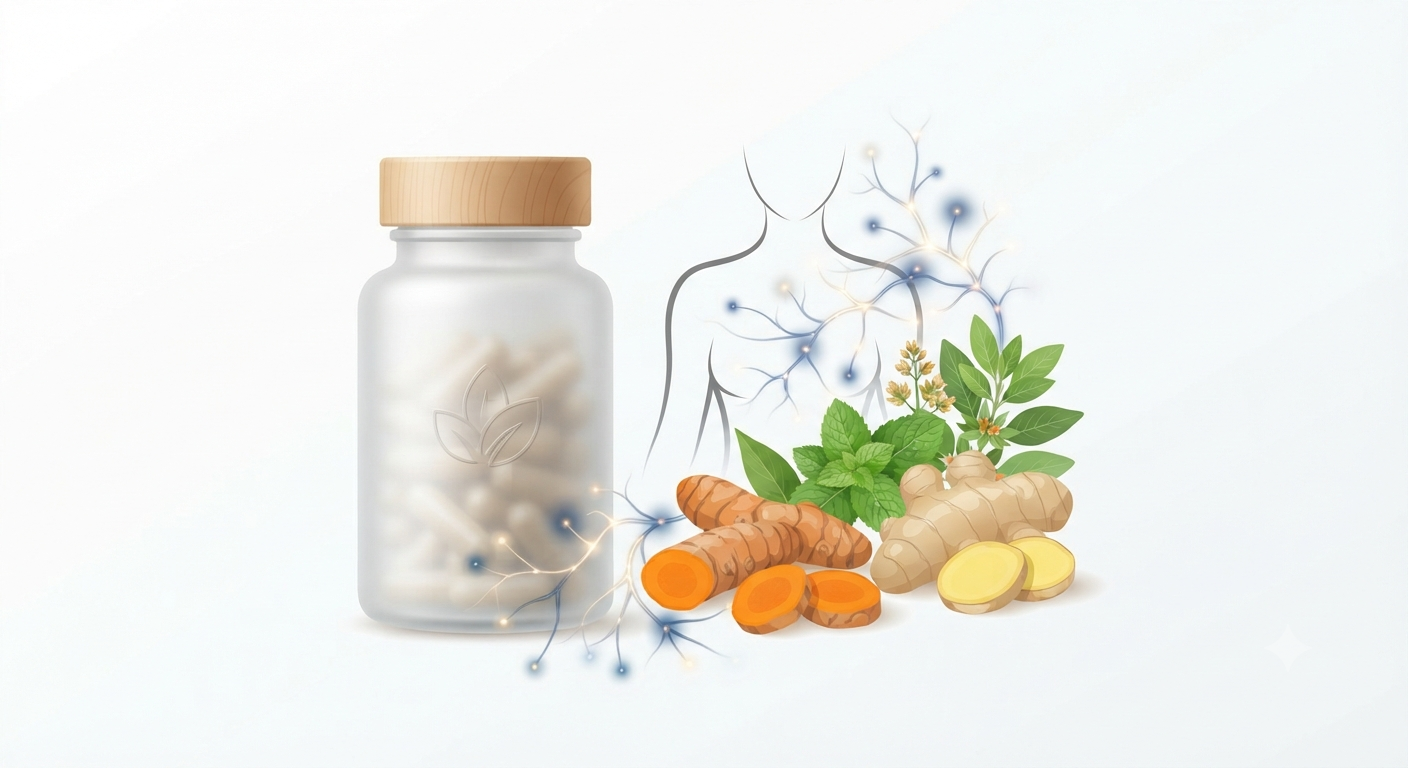
Consider incorporating natural herbal options, such as horse chestnut seed extract, diosmin, or hawthorn berry, known for supporting vascular tone.
Step 4: Stay Well Hydrated
Drink adequate water throughout the day to maintain optimal blood volume and viscosity, making it easier for blood to circulate freely.
6. Best Tools, Options, and Supportive Habits
Maintaining healthy leg circulation can be streamlined by utilizing practical everyday tools and comfortable wellness options.
Supportive Options and Tools
- Graduated Compression Socks: Gentle, supportive hosiery designed to apply graduated pressure, encouraging upward blood flow in the lower legs.
- Botanical Vascular Supplements: Clean, standardized herbal extracts formulated to nourish blood vessel walls and support microcirculation.
- Foam Rollers or Massage Rollers: Simple physical tools that help release tight calf muscles and encourage local tissue relaxation.
Supportive Wellness Tools (Soft Recommendations)
- Adjustable Leg Elevation Pillows: Comfortable wedge cushions designed to elevate your legs effortlessly while resting or sleeping.
- To support your daily vitality and cardiovascular wellness, you can also consider a targeted, convenient daily supplement like Circ02 as part of your routine.
Disclaimer: Natural wellness strategies and dietary supplements are designed to support general health and should not be used to diagnose, treat, cure, or prevent any medical condition.
7. Direct Comparison: Natural Strategies for Leg Circulation
To help you choose the best combination of habits for your lifestyle, review this clear comparison table:
| Strategy | Primary Benefit | Ease of Implementation | Best Used For |
| Regular Leg Elevation | Uses gravity to assist venous return | Very easy, requires only a pillow | Daily evening relaxation and swelling reduction |
| Graduated Compression | Applies mechanical support to surface veins | Moderate, requires wearing socks during the day | Long periods of standing or sitting |
| Targeted Botanicals | Nurtures vascular elasticity from within | Easy, daily supplement routine | Comprehensive long-term blood vessel support |
| Calf Muscle Exercises | Activates natural muscle pump action | Easy, can be done anywhere | Breaking up sedentary work hours |
8. Common Mistakes to Avoid
When exploring natural remedies for poor blood circulation in legs, keep these common pitfalls in mind:
- Remaining Stationary for Too Long: Sitting or standing motionless for hours without taking short movement breaks to activate your leg muscles.
- Skipping Hydration: Assuming that drinking less water prevents swelling, when dehydration actually increases blood viscosity and strains circulation.
- Expecting Instant Results: Looking for immediate miracles from natural remedies without giving lifestyle shifts and herbal routines time to work cumulatively.
- Ignoring Persistent Symptoms: Failing to consult a doctor if you experience severe pain, unilateral swelling, or skin discoloration, which require professional medical evaluation.

9. Expert Tips and Best Practices
Maximize your leg comfort and vascular wellness with these expert-backed recommendations:
- Alternate Warm and Cool Hydrotherapy: Finish your morning shower with a refreshing splash of cool water on your legs to encourage temporary vessel contraction and invigorate blood flow.
- Maintain a Heart-Healthy Diet: Focus on antioxidant-rich foods, leafy greens, and citrus fruits that provide natural precursors and nutrients for strong blood vessels.
- Explore Related Guides: If you want to dive deeper into optimizing your cardiovascular health, read our detailed guides on vitamin b12 deficiency and fatigue in older adults for more expert insights.
- Wear Comfortable Footwear: Choose supportive shoes with low heels to allow your calf muscles to move and contract naturally while walking.
10. Conclusion
Exploring natural remedies for poor blood circulation in legs introduces a holistic, empowering approach to supporting your lower limb comfort and daily mobility. By combining simple lifestyle shifts such as regular movement, daily leg elevation, and hydration with targeted botanical support, you can encourage healthy blood flow and reduce end-of-day fatigue.
Whether you incorporate compression wear, herbal extracts, or simple stretching habits into your daily schedule, taking proactive steps today will help your legs feel lighter, stronger, and more energized for years to come.
FAQ Section
Q1: How do natural remedies help improve leg circulation?
A: Natural remedies such as regular movement, leg elevation, hydration, and botanical supplements work by supporting blood vessel elasticity, encouraging venous return, and reducing the pooling of blood in the lower extremities.
Q2: Can compression socks help with poor leg circulation?
A: Yes, graduated compression socks apply gentle, consistent pressure to the lower legs, helping push blood upward toward the heart and minimizing daily swelling and heaviness.
Q3: How long does it take to notice improvements from natural circulation remedies?
A: While some habits like leg elevation provide immediate physical relief, botanical supplements and consistent lifestyle shifts typically require four to eight weeks of steady practice to show noticeable cumulative benefits.
Q4: When should I see a doctor for poor leg circulation?
A: You should consult a healthcare professional immediately if you experience sudden, severe leg pain, swelling confined to only one leg, skin discoloration, or sores that do not heal.