1. Introduction
As we enter our sixties and beyond, maintaining daily stamina, cardiovascular wellness, and overall vitality becomes a central focus for enjoying an active life. Among the various pillars of wellness, keeping tabs on your cardiovascular metrics is vital. If you or a loved one has been looking for actionable strategies, understanding how to support healthy blood pressure after age 60 can provide a clear, stress-free roadmap for long-term health.
Over the decades, natural physiological shifts such as a gradual stiffening of arterial walls and changes in endothelial function can cause blood pressure readings to creep upward.
Fortunately, your cardiovascular system is remarkably resilient. By implementing consistent, science-backed lifestyle habits, mindful nutrition, and proper daily self-care, you can encourage smooth circulation and maintain readings within a normal, healthy range. Let’s explore practical steps to support your heart health every single day.
2. What Is Supporting Healthy Blood Pressure After Age 60?
To understand this concept clearly, let’s break it down into beginner-friendly terms. Supporting healthy blood pressure after age 60 is not about achieving perfection overnight; rather, it involves creating an internal environment where your blood vessels can remain flexible, relaxed, and efficient.
Your arteries rely on the inner endothelial lining to produce nitric oxide, a critical signaling molecule that tells smooth muscle tissues in vessel walls to relax. When these vessels stay elastic, blood flows effortlessly without placing unnecessary strain on your heart.
As we age, internal production pathways can slow down, making daily habits like mindful eating, hydration, and gentle movement essential for keeping these natural systems running smoothly.
3. Why Cardiovascular Maintenance Is Vital as We Age
Proactively nurturing your circulatory system yields profound benefits for your day-to-day quality of life.
Sustained Daily Energy and Vitality
When your blood vessels maintain optimal tone, oxygen and essential nutrients reach your brain, muscles, and organs efficiently, minimizing sluggishness during daily tasks.
Long-Term Independence and Mobility
Smooth circulation supports your physical endurance, making it easier to enjoy gardening, walking, traveling, and spending active time with family.
Reduced Strain on the Heart
Helping your cardiovascular system manage daily demands ensures that your heart can pump effortlessly, preserving your long-term well-being.
4. Key Concepts and Biological Mechanisms
Before diving into daily habits, understanding a few fundamental biological principles will help clarify how your body regulates vascular health.
- Arterial Compliance: The natural elasticity and flexibility of your blood vessels, which allows them to expand and contract smoothly with every heartbeat.
- Endothelial Function: The performance of the delicate single layer of cells lining your blood vessels, responsible for synthesizing relaxing factors like nitric oxide.
- The Enterosalivary Pathway: A natural biological route where dietary nitrates from wholesome vegetables are converted by oral bacteria into compounds that support blood vessel relaxation.
5. Step-by-Step Guide to Managing Blood Pressure Naturally
Taking a structured, step-by-step approach to your daily routine can make supporting your cardiovascular health simple and sustainable.
Step 1: Monitor Your Baseline Metrics
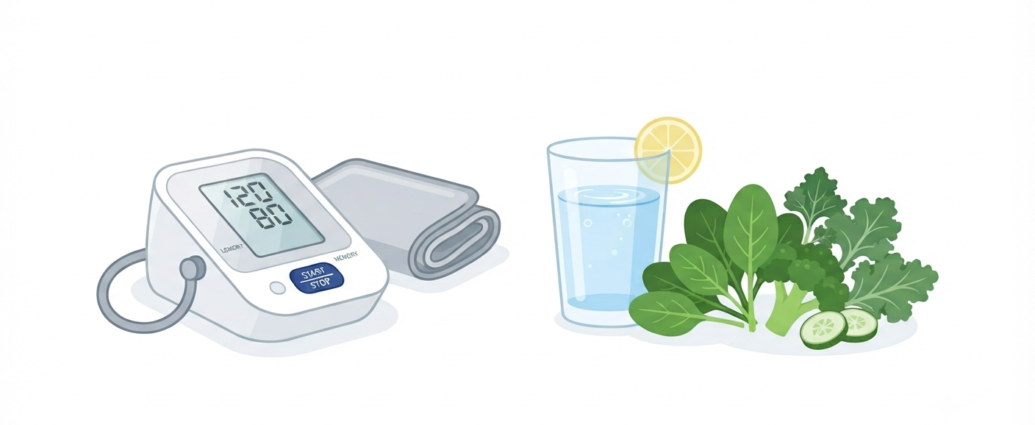
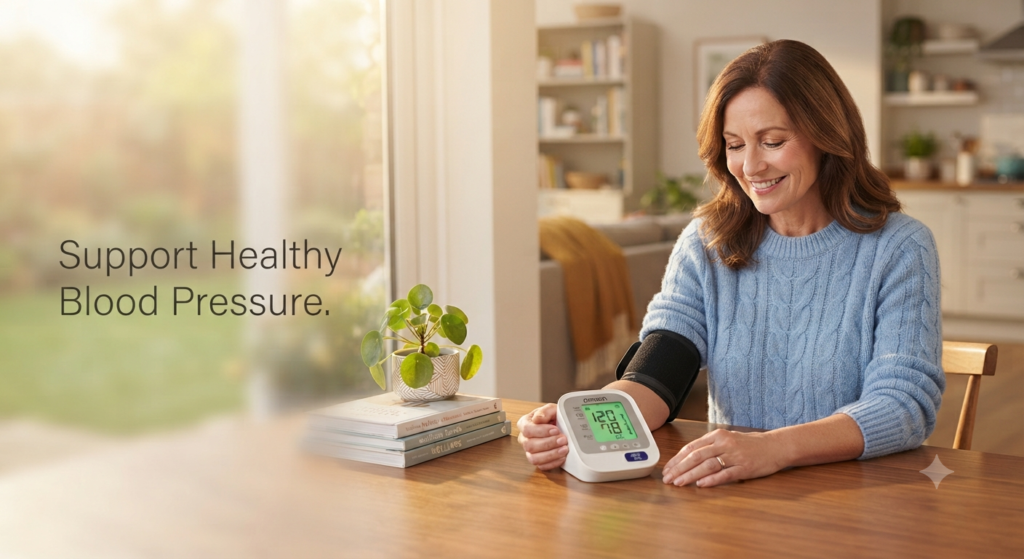
Keep a reliable home blood pressure monitor handy and check your readings at consistent times each day, logging them to share with your physician.
Step 2: Optimize Your Plate with Whole Foods
Focus on a diet rich in potassium, magnesium, and dietary nitrates. Incorporate dark leafy greens, berries, bananas, and beets to nourish your vascular pathways.
Step 3: Prioritize Moderate Daily Movement
Engage in low-impact physical activities such as brisk walking, swimming, or cycling for at least 30 minutes most days of the week.
Step 4: Manage Daily Stress Levels
Chronic stress triggers hormones that tighten blood vessels. Practice deep breathing, meditation, or gentle stretching to encourage mental and physical relaxation.
6. Best Tools, Options, and Supportive Habits
Maintaining a healthy cardiovascular routine involves combining smart daily practices with reliable self-care tools.
Recommended Daily Tools
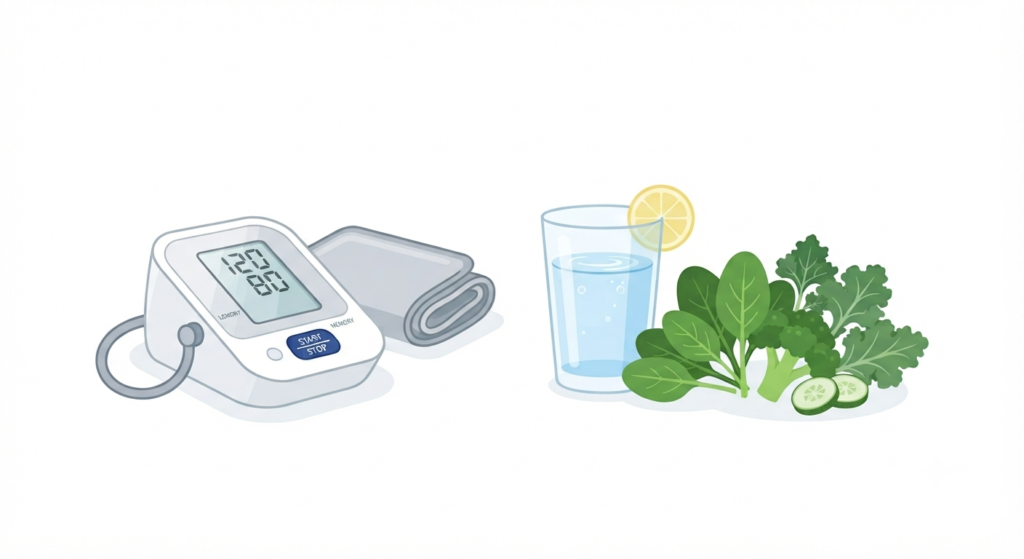
- Home Blood Pressure Monitors: Digital upper-arm cuffs provide accurate, easy-to-read metrics for tracking your progress at home.
- Fitness Trackers or Pedometers: Simple devices that encourage you to hit consistent daily step goals and stay active.
Nutritional and Lifestyle Support (Soft Recommendations)
- Potassium-Rich Foods: Incorporating avocados, sweet potatoes, and spinach to help balance sodium levels in the body.
- Targeted Dietary Additions: For those seeking convenient daily support, exploring high-quality nitric oxide precursors or mineral supplements can complement a balanced diet.
Disclaimer: Always consult with your primary care physician or cardiologist before making major changes to your diet, exercise, or supplement routine, especially if you take prescription medications.
To support your cardiovascular wellness and daily vitality, you can also consider a targeted, convenient daily supplement like Circ02 as part of your routine.
7. Direct Comparison: Proactive Care vs. Reactive Habits
To see how different daily approaches impact your long-term wellness, review this clear comparison:
| Feature | Proactive Lifestyle Approach | Reactive or Neglectful Habits |
| Vascular Elasticity | Supported through regular movement and nutrition | Arteries face increased stiffness over time |
| Daily Energy | Steady, predictable stamina throughout the day | Frequent fatigue and sluggishness |
| Monitoring Routine | Regular tracking and open dialogue with doctors | Unaware of baseline trends until checkups |
| Stress Management | Active incorporation of relaxation techniques | Unmanaged stress leading to chronic tension |
8. Common Mistakes to Avoid
When focusing on how to support healthy blood pressure after age 60, keep these common pitfalls in mind:
- Skipping Regular Monitoring: Assuming you feel fine without checking your numbers regularly can lead to missed opportunities for early lifestyle adjustments.
- Overlooking Sodium Balance: Relying heavily on processed, packaged foods introduces hidden sodium that counteracts your wellness efforts.
- Relying Solely on Quick Fixes: Expecting a single supplement or temporary change to offset a sedentary lifestyle and poor diet.
- Ignoring Hydration: Water is essential for maintaining proper blood volume and circulation. Dehydration places unnecessary strain on your cardiovascular system.

9. Expert Tips and Best Practices
Maximize your daily routine with these expert-backed strategies for senior cardiovascular wellness:
- Keep a Logbook: Write down your blood pressure readings alongside notes about your meals, sleep, and physical activity to identify personal patterns.
- Incorporate Slow Breathing: Take five minutes every afternoon to practice slow, diaphragmatic breathing to naturally soothe your nervous system.
- Explore Related Guides: If you want to dive deeper into optimizing your circulation and stamina, read our detailed guides on best nitric oxide supplement for older adults review for more expert insights.
- Stay Consistent: Small, daily healthy choices compound over time, yielding far better results than sporadic bursts of effort.
10. Conclusion
Learning how to support healthy blood pressure after age 60 empowers you to take charge of your cardiovascular wellness, daily stamina, and long-term independence. While natural aging brings changes to your circulatory system, adopting a balanced lifestyle filled with wholesome nutrition, regular movement, and mindful stress management can make a profound difference.
By tracking your metrics, nurturing your vascular health, and embracing consistent daily self-care, you can enjoy vibrant energy and peace of mind every single day.
FAQ Section
Q1: How often should I check my blood pressure after age 60?
A: It is generally recommended to check your blood pressure at least once a week at home, while keeping a log to review during your regular visits with your healthcare provider.
Q2: Can diet alone help maintain healthy blood pressure?
A: A wholesome diet rich in potassium, fiber, and low in sodium plays a massive role, but combining it with regular physical activity, stress management, and adequate sleep yields the best results.
Q3: What types of exercise are safest for older adults looking after their heart?
A: Low-impact aerobic activities such as brisk walking, swimming, cycling, and gentle yoga are fantastic for supporting cardiovascular health without placing excessive stress on joints.
Q4: When should I contact a doctor regarding my blood pressure readings?
A: If you consistently record readings significantly higher than your normal baseline, or if elevated numbers are accompanied by symptoms like dizziness, headaches, or shortness of breath, contact your physician immediately.