

1. Introduction
When you wake up feeling unusually sluggish, or notice that your physical stamina during a brisk walk or daily workout is not quite what it used to be, it is easy to blame a lack of sleep or a busy schedule. However, many people overlook a foundational biological factor that governs how energetic, agile, and resilient you feel every day. Understanding the signs of low nitric oxide levels in the body can provide critical insights into your cardiovascular health, athletic performance, and overall physical vitality.
Nitric oxide is a remarkable gas produced naturally by the cells lining your blood vessels, known as the endothelium. It acts as a powerful signaling molecule, instructing your blood vessels to relax, widen, and maintain optimal flexibility. When your body produces an abundant supply of nitric oxide, your circulation flows smoothly, delivering oxygen and essential nutrients to every corner of your system.
Unfortunately, as we age or due to chronic stress, poor diet, and sedentary habits, internal production can begin to decline. Recognizing the early indicators of this drop allows you to take proactive steps toward restoring your natural vigor. Let’s explore what nitric oxide is, why it matters, and how you can identify the subtle cues your body sends when supplies run low.
2. What Are the Signs of Low Nitric Oxide Levels in the Body?
To understand how your body communicates a shortfall in this vital molecule, it helps to examine its primary role in vascular dynamics. Nitric oxide is the body’s premier vasodilator. This means it regulates the tone and diameter of your arteries and capillaries, ensuring blood moves effortlessly under healthy pressure.
When internal production declines, your circulatory system loses some of its responsiveness. The most common physical indicators include:
- Persistent Physical Fatigue: A generalized lack of stamina or feeling washed out even after a full night of rest can stem from inefficient oxygen delivery to your muscular tissues.
- Reduced Exercise Tolerance: Finding that your usual walk, run, or gardening session leaves you breathless and fatigued much faster than before.
- Cold Hands and Feet: Poor peripheral circulation often results in extremities that feel chronically cold because blood vessels fail to dilate fully.
- Sluggish Recovery Times: Experiencing prolonged muscle soreness or stiffness following routine physical activity due to delayed metabolic waste clearance.
- Brain Fog and Mental Fatigue: Because your brain requires a steady, abundant supply of oxygen-rich blood, compromised microcirculation can manifest as mental sluggishness or trouble concentrating.

3. Why Maintaining Healthy Nitric Oxide Is Important
Recognizing these physical signals highlights why keeping your circulatory pathways supported is so crucial for long-term health and everyday well-being.
Optimized Cellular and Organ Function
Every cell in your body relies on a constant stream of oxygen and nutrients. Optimal vascular tone ensures that your heart, brain, muscles, and organs receive everything they need to perform at their absolute best.
Healthy Blood Pressure Support
By allowing blood vessels to remain flexible and relaxed, adequate nitric oxide helps maintain blood pressure levels that are already within the normal, healthy range.
Enhanced Physical Endurance
Whether you are an active athlete or simply want to enjoy your daily hobbies without feeling constantly drained, robust circulation fuels your muscles and delays the onset of physical exhaustion.
4. Key Concepts and Biological Mechanisms
Before exploring lifestyle adjustments, understanding a few core scientific principles will clarify how this biological system operates.
- Endothelial Health: The endothelium is a dynamic organ system spread across miles of blood vessels. Its primary job is synthesizing nitric oxide from the amino acid L-arginine.
- The Enterosalivary Pathway: An alternative route where dietary nitrates from foods like beets and leafy greens are converted into active nitrites by friendly bacteria residing in your mouth.
- Oxidative Stress: Free radicals can degrade nitric oxide molecules rapidly upon creation, rendering them ineffective and reducing overall vascular availability.
5. Step-by-Step Guide to Assessing and Supporting Your Circulation
If you suspect you are experiencing the signs of low nitric oxide levels in the body, taking a structured, step-by-step approach can help you turn things around.
Step 1: Evaluate Your Daily Routine
Look closely at your physical activity levels, daily stress, and dietary habits. Sedentary routines and chronic stress are notorious for suppressing natural nitric oxide synthesis.
Step 2: Audit Your Plate
Incorporate nutrient-dense, whole foods that supply the raw materials your body needs. Focus on dark leafy greens, beets, celery, garlic, and citrus fruits.
Step 3: Review Your Oral Care Habits
Be mindful of harsh antiseptic mouthwashes, which can temporarily disrupt the friendly oral bacteria required to convert dietary nitrates into usable nitrites.
Step 4: Introduce Targeted Support Gradually
Consider incorporating reliable dietary supplements such as L-citrulline or targeted antioxidant support to help sustain your internal nitric oxide pathways over time.
6. Best Tools, Options, and Nutritional Sources
Supporting your vascular system requires a blend of wholesome nutrition and smart lifestyle choices. Here are some of the most effective options available.
Whole Food Nutritional Sources
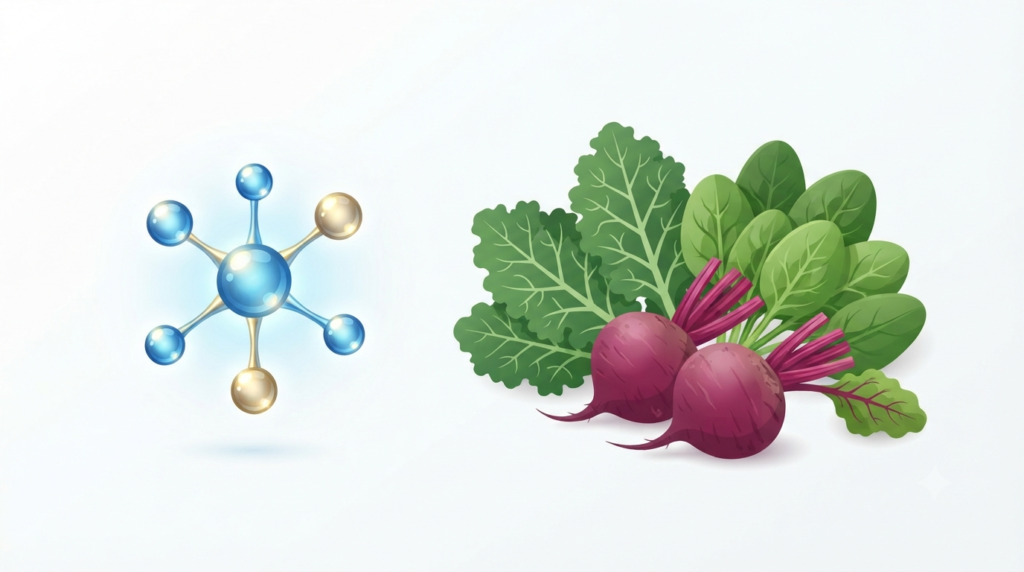
- Arugula and Spinach: Exceptionally rich in natural dietary nitrates that support enterosalivary circulation.
- Beets and Beetroot Juice: A classic favorite for supporting athletic stamina and smooth blood flow.
- Watermelon: A wonderful natural source of L-citrulline, which efficiently converts into L-arginine in the body.
Supportive Lifestyle Tools (Soft Recommendations)
- Fitness Trackers: Useful for monitoring your daily step counts and encouraging consistent physical movement.
- Targeted Amino Acid Powders: For those seeking convenient daily support, high-quality L-citrulline supplements can help maintain steady, all-day circulation.
Disclaimer: Dietary supplements are intended to support general wellness and should not be used to diagnose, treat, or cure any medical condition.
To support your overall vascular wellness and daily vitality, you can also consider a targeted, convenient daily supplement like Circ02 as part of your routine.
7. Direct Comparison: Optimal vs. Depleted Nitric Oxide States
To visualize how your body functions under different circulatory conditions, review the comparison below:
| Feature | Optimal Nitric Oxide Levels | Depleted Nitric Oxide Levels |
| Vascular Tone | Relaxed, flexible arteries and capillaries | Constricted vessels with reduced elasticity |
| Physical Stamina | Steady, sustainable daily energy | Early fatigue and breathlessness during exertion |
| Peripheral Warmth | Warm hands and feet due to efficient blood flow | Chronically cold extremities |
| Mental Clarity | Sharp focus and minimal brain fog | Sluggish concentration and mental fatigue |
8. Common Mistakes to Avoid
When attempting to improve your vascular health and address the signs of low nitric oxide levels in the body, keep these common pitfalls in mind:
- Expecting Instant Miracles: Biological remodeling takes time. Consistent daily habits over two to four weeks are usually required to notice meaningful improvements.
- Relying Solely on Artificial Stimulants: Quick fixes like sugary energy drinks or excessive caffeine only mask fatigue while stressing your cardiovascular system.
- Ignoring Hydration: Water is the fundamental medium through which blood circulates. Inadequate fluid intake restricts circulation regardless of your nutrient intake.
- Neglecting Regular Movement: Sedentary behavior causes blood vessels to lose their natural responsiveness. Regular, moderate exercise is irreplaceable.

9. Expert Tips and Best Practices
Maximize your journey toward vibrant vitality with these expert-backed strategies:
- Pair Nitrates with Antioxidants: Combine your nitrate-rich vegetables with vitamin C-rich foods to protect nitric oxide molecules from oxidative breakdown.
- Time Your Supplementation: If you use amino acid supplements for stamina, take them roughly 45 to 60 minutes before physical activity.
- Explore Related Guides: If you want to dive deeper into optimizing your circulation and amino acid utilization, read our detailed guide on l-citrulline vs l-arginine for blood flow effectiveness for more expert insights.
- Maintain Consistency: Daily, steady habits are infinitely more effective for supporting vascular health than sporadic, high-effort adjustments.
If you want to understand how your physical vitality reflects your internal pathways, you can explore our detailed guide on signs of low nitric oxide levels in the body for more insights
10. Conclusion
Recognizing the signs of low nitric oxide levels in the body empowers you to take control of your long-term vitality, daily stamina, and cardiovascular health. While subtle cues like persistent fatigue, cold extremities, and reduced exercise tolerance are easy to dismiss, they serve as valuable indicators that your circulatory system needs attention.
By embracing a balanced lifestyle filled with nitrate-rich whole foods, regular physical movement, and mindful wellness habits, you can encourage your body to maintain smooth, efficient circulation. Nourish your endothelium, stay active, and enjoy vibrant energy every single day.