
1. Introduction
In the world of digital marketing, standing out is often the difference between a high conversion rate and a bounce. While drag-and-drop builders offer incredible convenience, they can sometimes lead to a “cookie-cutter” look that doesn’t fully represent your brand’s unique identity. This is where learning how to use custom CSS in FunnelCockpit for unique design becomes a superpower for marketers and agency owners.
By adding small, targeted snippets of code, you can customize everything from button hover states to custom font weights and unique layout spacing. In this guide, we will walk you through the logic of extending your platform’s capabilities, ensuring your pages look exactly how you envisioned them without compromising performance or speed.
2. What Is How To Use Custom CSS In FunnelCockpit For Unique Design?
At its core, understanding how to use custom CSS in FunnelCockpit for unique design involves injecting Cascading Style Sheets (CSS) into your page settings. CSS is the language that tells a web browser how to display the HTML elements on your page colors, margins, padding, and animations.
FunnelCockpit provides a dedicated space within the page builder to input this code, allowing it to override or enhance the default styling provided by the platform. You are not “breaking” the builder; you are simply adding a layer of sophisticated visual control on top of it. It is a beginner-friendly process once you learn to identify the “class” or “ID” of an element you wish to style.
3. Why It Is Important
Using custom code might sound intimidating, but for professional brands, it is often a necessity.
- Brand Alignment: Align your pages perfectly with your existing brand guidelines, ensuring consistency across your entire digital presence.
- Enhanced Interactivity: Create unique micro-interactions, such as smooth fades or button animations, that make your site feel “premium.”
- Precision Control: Sometimes the builder doesn’t offer the exact margin or alignment you need. CSS gives you pixel-perfect control.
- Competitive Edge: Unique designs catch the eye. If your landing page looks distinct from thousands of others using the same templates, your brand authority increases immediately.
4. Key Features and Concepts
- Selectors: These are the targets. You use CSS to select a button, a headline, or a background box.
- Properties and Values: The actual styling you apply, such as
color: #ff0000;orfont-size: 20px;. - The Global vs. Page Level: You can apply CSS to a specific page or globally across your entire funnel, depending on the scope of your design needs.
- Inspect Element: Using your browser’s “Inspect” tool is the most important concept to learn—it helps you find the specific names of elements to target.
5. Step-by-Step Guide: Implementing Your First Snippet
- Identify the Element: Open your landing page, right-click the element you want to change, and select “Inspect.” Look for the
classoridname. - Open the CSS Editor: Inside your FunnelCockpit page builder, look for the “Custom CSS” or “Settings” tab where custom code is accepted.
- Write Your Code: Use the format:CSS
.your-element-class { property: value; } - Test the Changes: Save your code and preview the page. Because you are using custom styling, always verify the look on both desktop and mobile views.
- Refine: If the design isn’t quite right, adjust your values (like margin or color) until they align with your vision.
6. Best Tools and Options
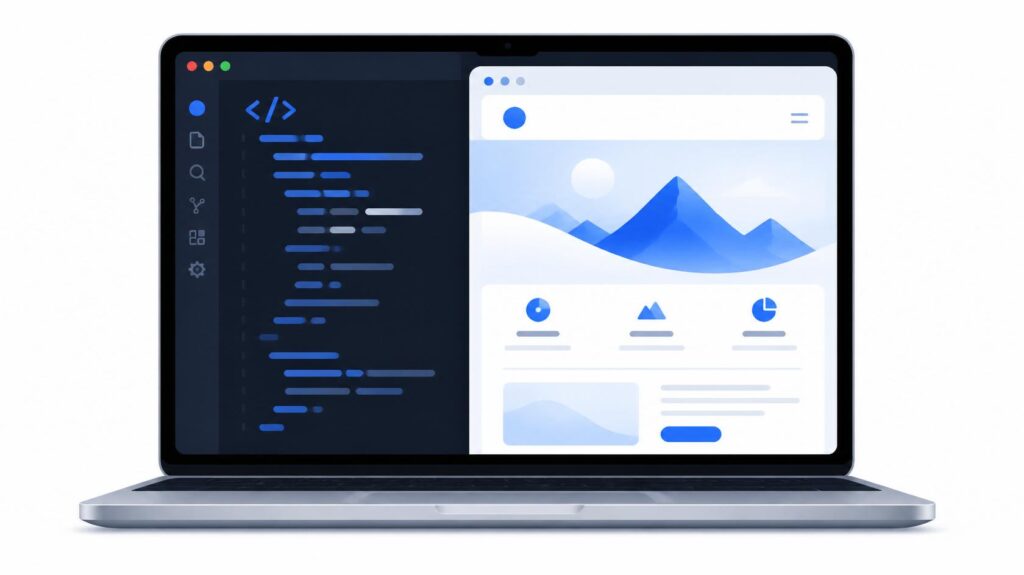
To stay efficient, you should rely on tools that make this process easier. Browser developer tools (built into Chrome, Firefox, and Edge) are your best friend. They allow you to test your code in real-time before you ever copy-paste it into your platform. For those looking for a robust environment that supports these advanced tweaks while remaining intuitive, click here to explore FunnelCockpit. It provides the stability and flexibility needed to ensure your custom designs function perfectly across all devices.
7. Comparison: Standard Builder vs. Custom CSS
| Feature | Standard Builder | Custom CSS Enhancement |
| Speed | Fast | Fast (with minimal code) |
| Flexibility | Moderate | High (Unlimited) |
| Difficulty | Low | Low to Moderate |
| Uniqueness | Standard Template Look | Fully Bespoke Design |
8. Common Mistakes to Avoid
- Over-Coding: Adding too much CSS can actually slow down your page load times. Keep your snippets concise and purposeful.
- Neglecting Mobile: A design that looks great on a 27-inch monitor might break on a phone. Always check your mobile responsiveness after adding code.
- Ignoring Conflicts: If a style isn’t working, you may be targeting the wrong selector, or the platform’s default style might have higher “specificity.” Use
!importantsparingly.
9. Tips and Best Practices
- Comment Your Code: Always add notes in your code (e.g.,
/* This changes the header button color */) so you remember what you did six months from now. - Keep a Backup: If you are writing a large block of code, keep a backup version in a simple text file or Notion page.
- Focus on UX: Don’t let your “cool” CSS designs interfere with the primary goal of your page—conversion. Clarity always beats complexity.
10. Conclusion
Mastering how to use custom CSS in FunnelCockpit for unique design allows you to break free from the constraints of standard templates. It is the bridge between a good landing page and a great, branded experience. By starting with small, manageable tweaks, you can confidently iterate on your site’s appearance, resulting in higher engagement and a more professional digital presence.
While custom CSS helps you achieve a unique look, don’t forget that your page structure also needs to be search-engine friendly. For a complete guide on balancing aesthetics with visibility, check out my tips for better SEO on your landing pages to ensure your custom designs also rank well in search results.
FAQ
Q: Do I need to be a professional developer to use CSS?
A: Absolutely not. Basic CSS is one of the easiest languages to learn, and most of what you’ll need involves simple commands like changing colors, sizes, or spacing.
Q: Will custom CSS break my landing page?
A: It is highly unlikely. Since you are just adding styling layers, if something goes wrong, you simply delete your code, and the page returns to its default state.
Q: Where should I put my CSS code?
A: Most all-in-one platforms have a specific “Custom CSS” or “Page Settings” area specifically for this purpose. Always ensure you are pasting it into the correct field.