1. Introduction
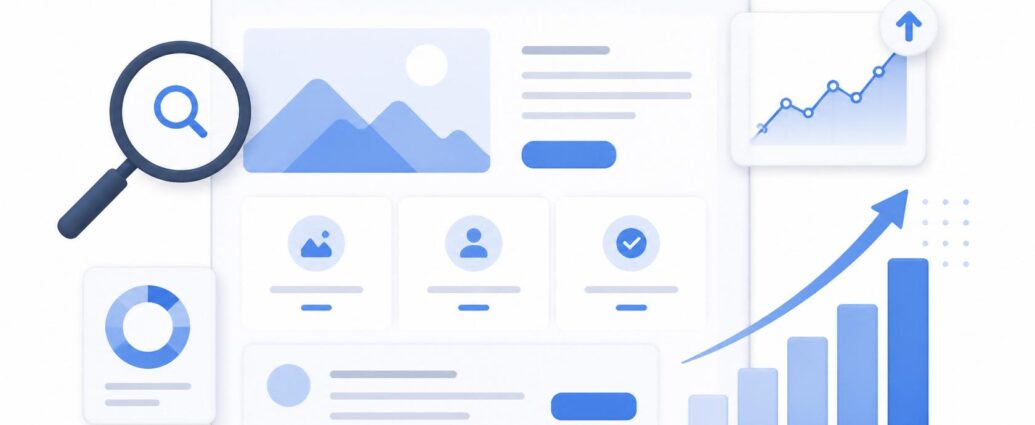
Landing pages are the engines of your digital marketing strategy, yet they are often neglected when it comes to search engine optimization. Many creators assume that because these pages are built for paid traffic or direct links, they don’t need to be optimized for search. This is a missed opportunity. Implementing effective FunnelCockpit tips for better SEO on your landing pages can turn your conversion funnels into powerful assets that attract qualified leads from Google automatically.
By aligning your page structure, metadata, and technical setup with search engine best practices, you ensure that your offers reach the right audience at the right time. In this guide, we dive deep into actionable strategies to elevate your landing page visibility and improve your overall search performance.
2. What Is FunnelCockpit Tips For Better SEO On Your Landing Pages?
When we discuss FunnelCockpit tips for better SEO on your landing pages, we are focusing on how to configure your built-in page settings, content structure, and technical attributes to satisfy both human users and search engine crawlers.
These tips involve customizing page titles, optimizing meta descriptions, ensuring proper header hierarchy, and managing technical elements like canonical tags. Because FunnelCockpit is an all-in-one marketing automation software, it provides the essential infrastructure needed to implement these changes without requiring complex coding or external plugins.
3. Why It Is Important
Why should a marketer care about SEO for a landing page? The benefits extend far beyond just vanity metrics:
- Reduced Customer Acquisition Cost (CAC): Organic traffic is essentially “free” compared to paid ads. If your landing page ranks, you lower your reliance on ad spend.
- Targeted Intent: People searching for specific solutions are often further down the buying funnel than those clicking a random social media ad.
- Increased Authority: Consistent, high-performing landing pages signal to search engines that your domain offers valuable, structured information.
- Improved User Experience (UX): Many SEO best practices, such as fast load times and clear headings, also directly improve the experience of your visitors.
4. Key Features and Concepts
- Meta Tag Management: The ability to edit page titles and descriptions directly within your landing page editor.
- Header Structure (H1–H3): Organizing your content to allow search engines to understand the hierarchy of your offer.
- Image Optimization: Ensuring images have relevant alt-text to provide context to search crawlers.
- Speed and Performance: Leveraging a platform built for fast loading, which is a critical ranking factor in modern search algorithms.
5. Step-by-Step Guide: Optimizing Your Page
- Keyword Research: Identify the primary problem your landing page solves and find the specific terms your audience uses to search for that solution.
- Optimize the Meta Tags: Update your title tag and meta description in the FunnelCockpit settings to include your primary keyword naturally.
- Refine Your Headings: Ensure your landing page uses only one H1 tag (your main offer) and uses H2/H3 tags to break up benefits and features.
- Add Alt-Text to Images: Every visual element on your page should have descriptive alt-text that includes your keywords where relevant.
- Technical Review: Check that your canonical tags are set correctly so that search engines don’t flag duplicate content if you have variations of your page.
- Create Engaging Content: Ensure the body copy of your landing page is at least 300–500 words to provide enough context for search engines to index it effectively.
6. Best Tools and Options
While standalone website builders exist, they often complicate the SEO process by requiring extra plugins for basic functionality. Using an all-in-one marketing automation software keeps your SEO settings bundled with your tracking and analytics, preventing data gaps. For those who want to build, optimize, and scale without technical headaches, click here to explore FunnelCockpit. It offers a centralized environment to manage your pages with built-in SEO controls that keep your workflow simple and effective.
7. Comparison: Optimized vs. Unoptimized Landing Pages
| Feature | Optimized Page | Unoptimized Page |
| Search Traffic | Consistent/Growing | Non-existent |
| Google Understanding | Clear & Categorized | Confused/Low Rank |
| User Engagement | Higher (due to relevancy) | Lower |
| Long-term Value | Asset | Temporary expense |
8. Common Mistakes to Avoid
- Keyword Stuffing: Never force keywords into sentences where they don’t belong. Write for the human reader first.
- Ignoring Mobile Users: Search engines prioritize mobile-friendly pages. Always preview your page on mobile to ensure it stacks correctly.
- Neglecting Internal Links: If you have related blog posts, link to your landing page from those posts to share “link juice.”
9. Tips and Best Practices
- Refresh Your Content: Don’t “set and forget.” Every 6 months, review your landing page copy to ensure it reflects your latest features and benefits.
- Use Descriptive URLs: Keep your URLs clean and keyword-rich (e.g.,
[yourdomain.com/free-seo-audit-tool](https://yourdomain.com/free-seo-audit-tool)). - Focus on Intent: Ensure your landing page content matches what the user expects to see after clicking your link.
10. Conclusion
Implementing these FunnelCockpit tips for better SEO on your landing pages does not require a background in software engineering. By focusing on clear hierarchy, descriptive metadata, and user-centered content, you transform your landing pages into sustainable sources of traffic. Start with one page, optimize its elements, and monitor your results. As you build authority, you will find that your marketing efforts become significantly more efficient.
SEO-optimized pages are only as good as the leads they attract; once you bring visitors to your site, you need a system to filter them. For more on this, read my guide on using survey funnels to pre-qualify your coaching leads to ensure your organic traffic turns into high-quality clients.
FAQ
Q: How long does it take for these SEO changes to show results?
A: SEO is a long-term game. While Google may crawl your changes quickly, it can take several weeks or months to see a significant shift in ranking for competitive terms.
Q: Does every landing page need to be SEO-optimized?
A: Focus your energy on your primary offer pages or evergreen resources. Thank-you pages or highly temporary flash-sale pages are less critical for organic search.
Q: Do I need to be a developer to optimize these pages?
A: Not at all. Modern all-in-one platforms are designed for marketers, allowing you to update titles, descriptions, and headers through simple, visual interfaces.