In the fast-paced digital world, mastering effective lead generation techniques is the only way to build a healthy pipeline. In the digital landscape, your business is only as healthy as your pipeline. Whether you are launching a startup or scaling a established personal brand, the ability to consistently attract, engage, and convert potential clients is what separates growing companies from those that stagnate. Lead generation techniques are the lifeblood of this process, providing the structure needed to turn anonymous visitors into long-term customers.
However, the days of relying on “spray and pray” tactics are over. Today’s audience is sophisticated, skeptical, and flooded with information. To stand out, you need a strategy rooted in value, trust, and smart automation. In this guide, we will explore the essential methods to build a robust lead generation system that works for you, day in and day out.
In this guide, we will explore the essential lead generation techniques to build a robust system that works for you 24/7.
Table of Contents
What is Lead Generation?
Using the right lead generation techniques, you can turn anonymous visitors into long-term customers. At its simplest, lead generation is the process of attracting interest in your product or service and capturing that interest in a way that allows you to nurture the relationship.
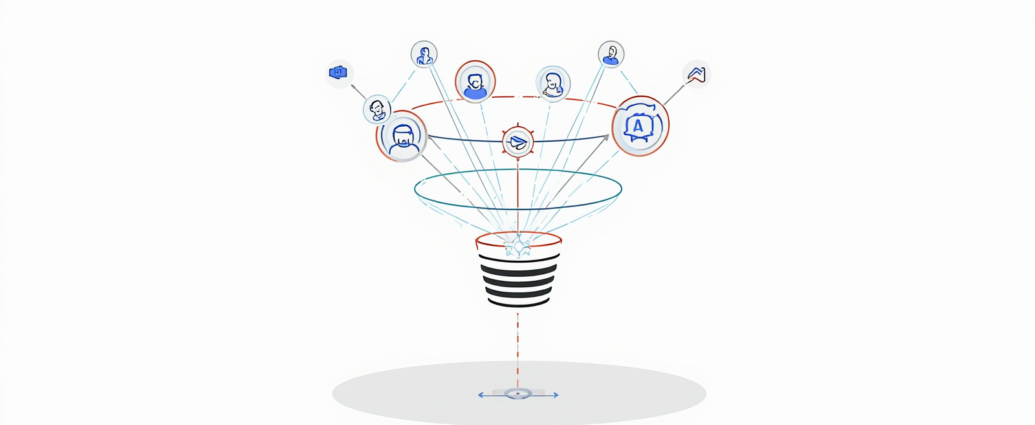
Think of it as a funnel. At the top, you have a wide audience who may or may not know your brand. As they interact with your content perhaps by downloading a guide, signing up for a webinar, or joining a newsletter they move deeper into your world. A “lead” is simply someone who has provided you with contact information, such as an email address or phone number, signaling that they are open to hearing from you.
Effective lead generation techniques are not about tricking people into giving you their data; they are about offering enough value that the prospect feels comfortable initiating a relationship with you.

Why Lead Generation is Important
Companies that implement modern lead generation techniques are always better positioned to adapt to market changes. Without a predictable flow of leads, your business growth is entirely dependent on word-of-mouth or luck. Here is why prioritizing a lead generation strategy is a business necessity:
- Predictability: When you have a system, you can estimate how many leads you need to hit your revenue targets each month.
- Targeting: It allows you to focus your energy on the people most likely to need your specific solution.
- Relationship Building: Capturing a lead allows you to communicate over time, building the trust required for a high-value purchase.
- Competitive Edge: Companies that consistently refine their lead gen efforts are always better positioned to adapt to market changes.
Key Features and Concepts
Before implementing specific tactics, it is important to understand the core elements that make lead generation work.
1. The Value Exchange (The Lead Magnet)
People rarely give their email addresses for free. A “lead magnet” is the incentive you provide such as a checklist, an eBook, a template, or a free trial that offers immediate value in exchange for their contact info.
2. The Landing Page
A landing page is a focused web page designed specifically for one purpose: to capture a lead. Unlike your homepage, which has many distractions, a landing page is stripped down to a compelling headline, the benefits of your offer, and a clear call-to-action (CTA).
3. Segmentation and Scoring
Not all leads are created equal. Some are just looking for a freebie, while others are ready to buy. Segmentation involves categorizing leads based on their interests or behavior so you can provide them with more relevant content later.
Before you choose your stack, ensure your tools support the lead generation techniques you plan to implement.
Step-by-Step Guide: Implementing Your Strategy
Ready to build your system? Follow these logical steps to start capturing leads today.
Step 1: Define Your Target Audience
You cannot generate leads if you don’t know who you are trying to reach. Define your “Ideal Customer Profile” (ICP). What are their pain points? What tools do they use? Where do they hang out online?
Step 2: Create a High-Value Lead Magnet
Solve a small, specific problem for your audience. For example, if you sell marketing services, a “5-Minute Marketing Audit Checklist” is much more effective than a generic “Sign up for my newsletter.”
Step 3: Build a High-Converting Landing Page
Keep it clean. Your headline should address the benefit, your body text should explain the value, and your form should ask for as little information as possible (usually just a name and email).
Step 4: Drive Targeted Traffic
You can have the best lead magnet in the world, but it doesn’t matter if nobody sees it. Use a mix of organic content (SEO), social media, and community engagement to drive visitors to your landing page.
Step 5: Nurture Your Leads
Once they have signed up, the relationship has just begun. Use automated email sequences to deliver the lead magnet and provide subsequent value to stay top-of-mind. If the idea of setting up these automated sequences manually feels overwhelming, you aren’t alone. Tools like Lead Hero are designed to handle the heavy lifting, allowing you to set up your email delivery and follow-up sequences in a fraction of the time. If you aren’t sure how to structure these sequences, check out our in-depth guide on Email Marketing Automation to learn how to keep your audience engaged 24/7.

Best Tools and Options
To manage these processes efficiently, you need the right technology stack. While there are countless options, look for tools that prioritize simplicity and integration.
- Landing Page Builders: Look for platforms that allow you to create professional, mobile-responsive pages without needing to know a single line of code.
- Email Marketing Platforms: You need a system that can segment your audience based on how they signed up.
- CRM Systems: A Customer Relationship Management tool helps you track your interactions with leads, ensuring you never miss a follow-up.
Soft Suggestion: If you are looking for an all-in-one solution that helps streamline these workflows, platforms like Lead Hero are excellent for beginners who want to integrate their lead capture and automation without the technical complexity often found in enterprise-level software.
Common Mistakes to Avoid
Even experienced marketers make these blunders. Steer clear of these to improve your conversion rates:
- Asking for Too Much Info: Every extra field you add to a form decreases your conversion rate. Stick to the absolute essentials.
- Generic Headlines: If your headline doesn’t clearly state the benefit of your offer, visitors will leave within seconds.
- Ignoring Mobile Users: The vast majority of your traffic will likely come from mobile devices. If your form is hard to fill out on a smartphone, you are losing leads.
- No Follow-up: The most common mistake is collecting a lead and then never emailing them again. Even a simple “thank you” email can make a significant difference.
Tips and Best Practices
- Test and Iterate: Always conduct A/B testing on your headlines and CTA buttons. Even a 5% increase in conversion can mean a massive difference in your monthly revenue.
- Leverage Social Proof: Include testimonials, case studies, or social media mentions on your landing page. People trust other people more than they trust brands.
- Focus on Quality over Quantity: It is better to have 100 leads who are interested in your solution than 1,000 who are just looking for a freebie.
Conclusion
Mastering various lead generation techniques is a journey of continuous improvement. By focusing on providing real value to your audience and using smart, automated systems to nurture those relationships, you can build a pipeline that supports your business for years to come.
Remember, lead generation is not about spamming or aggressive sales. It is about building a bridge between your expertise and the people who need your help. Start with one simple lead magnet, set up a basic landing page, and refine your process as you learn more about your audience.
Disclaimer: This article contains affiliate links. If you choose to explore tools like Lead Hero through these links, it may earn us a small commission at no extra cost to you.
For more data on digital trends, check out the latest Marketing Benchmarks report.
FAQ Section
Q: How long does it take to see results from lead generation?
A: It depends on your traffic sources. If you are using paid ads, results can be immediate. If you are focusing on organic SEO, it may take a few months to build momentum.
Q: What is a good conversion rate for a landing page?
A: A conversion rate between 2% and 5% is standard across many industries, but high-performing pages can often reach 10% or higher with consistent testing.
Q: Should I buy lead lists?
A: Generally, no. Buying lists often leads to high unsubscribe rates, spam complaints, and poor engagement. Organic growth where users opt-in to hear from you is far more sustainable.
Q: Can I do lead generation without a website?
A: While a website is best, you can use social media platforms or dedicated landing page services to capture leads without a full-scale website.